Navigating the Unique Sewer Needs of Older Homes
Older homes often have a kind of character that newer houses can’t copy. The woodwork feels settled. The rooms may have quirks that came from another era. Even the small imperfections can make the house feel more personal.
Unfortunately, though, that same age can also create problems below the floor. Sewer lines, for example, don’t last forever, even when the home above them still feels solid. Older pipes can weaken slowly while daily plumbing use continues like nothing has changed. That’s why it’s crucial to understand the basics of sewer needs for older homes ; that way, you can navigate any issues you run into more cleanly.
Older Sewer Lines Often Use Materials That Age Poorly
Many older homes still rely on sewer pipe materials that contractors rarely install today. Clay and cast-iron pipes were common in many neighborhoods. Both worked well enough in their time, but haven’t held up as well as time has progressed. Clay can crack as soil pressure changes around it. It can also separate at the joints, which gives roots an opening.
On the other side of things, cast iron tends to corrode from the inside, so the pipe may look intact while the interior becomes rough and narrow. These problems don’t always cause an immediate backup. A pipe can still move water while the inside surface becomes harder for waste to pass through. That’s when homeowners start seeing the same drain slow down again after clearing it.
Tree Roots Can Exploit Weak Spots
Older homes often sit near mature trees. Those trees make the neighborhood look established, but their roots can create serious sewer trouble. Roots naturally search for moisture, and a small pipe opening can lead them straight into the sewer line.
At first, the roots may only create mild resistance inside the pipe. Water still drains, but it moves more slowly than it should. As the roots thicken, they catch waste and paper. This then causes the blockage to build faster, leading to more noticeable issues.
The worst part is that even after a fix, root issues tend to return. Cutting the roots can restore flow, but the original opening may still exist. If the pipe has cracked or shifted, roots may come back during the next growth cycle. That’s why older homes with recurring root problems need more than a quick clearing.
Soil Movement Can Change How the Line Drains
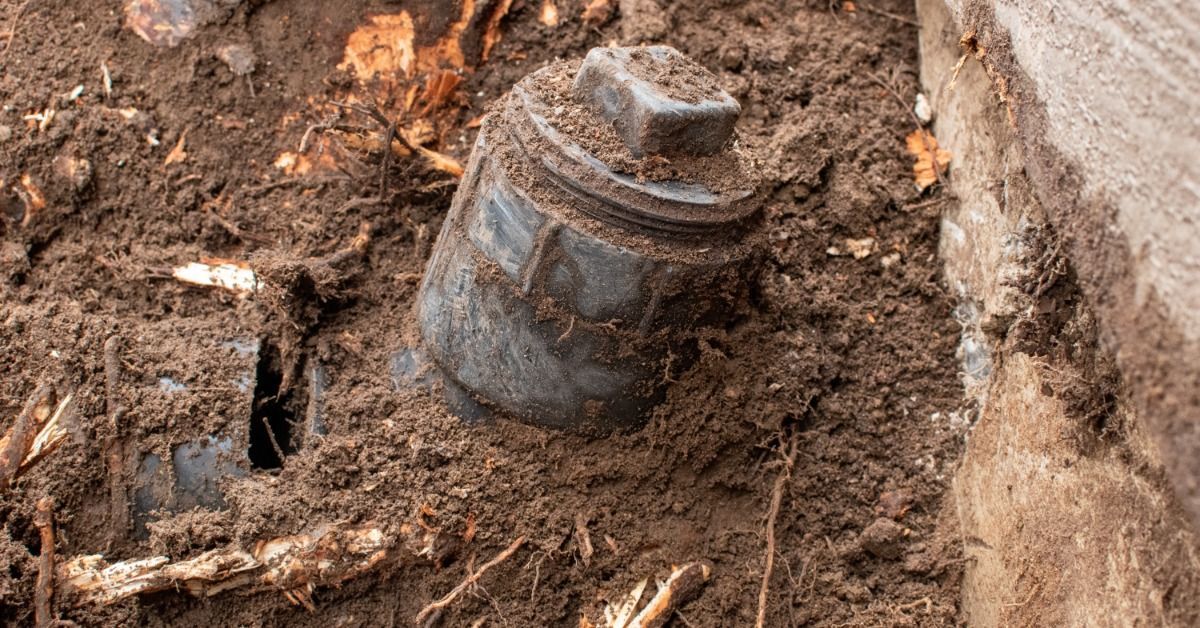
A sewer line depends on the right slope. Wastewater needs gravity to carry it away from the house. Over time, the soil around an older sewer line can settle unevenly. The pipe may dip in one section while the rest of the line stays in place.
That dip can hold water after each use. Solids then settle in the low area instead of moving through the pipe. The homeowner may not notice anything right away. After enough buildup collects, the line begins clogging more often.
This type of problem can be easy to miss without a closer look. The pipe may not be broken and may still appear to be open. The real issue is that water doesn’t keep moving after it enters the low section. Clearing the buildup helps, but the dip can keep collecting waste.
Years of Use Leave Buildup Behind
A sewer line carries the history of how a home has been used. In an older house, that history may include decades of grease and soap film. It may also include mineral scale from hard water. Even careful homeowners could run into issues from whatever previous owners sent down the drains.
Kitchen drains are usually where most of these issues show up. Grease may leave the sink as a liquid, but it cools as it travels. Once it sticks to the pipe wall, more waste can cling to it, causing the inside of the pipe to gradually narrow over time.
A narrowed pipe clogs more easily because it has less room to handle normal use. A busy weekend or a heavy laundry day can push the line past its limit. The backup may seem sudden, but the buildup may have taken years to form.
Warning Signs Matter More in Older Homes
A slow drain doesn’t always mean the main sewer line has a problem, though. In an older home, repeated symptoms deserve faster attention. One slow sink may be due to a nearby trap, but several slow fixtures suggest a deeper issue in the system.
Gurgling sounds can also point toward sewer trouble. Those sounds often happen when air struggles to move through the line. A basement drain that reacts when an upstairs shower runs can also signal a main line restriction. The lowest drains in the house are usually the first to show sewer problems because wastewater backs up there before it reaches higher fixtures.
Odors deserve attention, too. A sewer smell near a basement drain may indicate wastewater isn’t flowing freely through the system. It can also mean pressure inside the line has changed. Older sewer systems often give these warnings before a full backup happens.
Camera Inspections Reduce Guesswork

Older sewer systems need careful diagnosis because symptoms can overlap. A slow drain might come from roots, corrosion, or maybe even a lower section of pipe that keeps holding water. Without an inspection, every fix starts with some uncertainty.
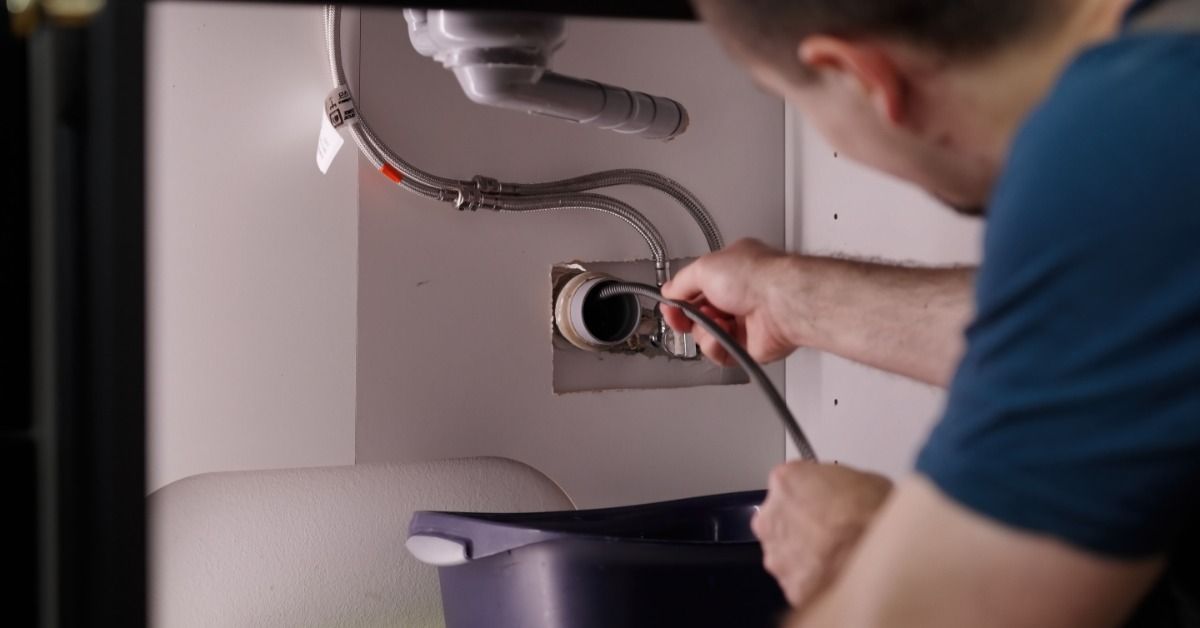
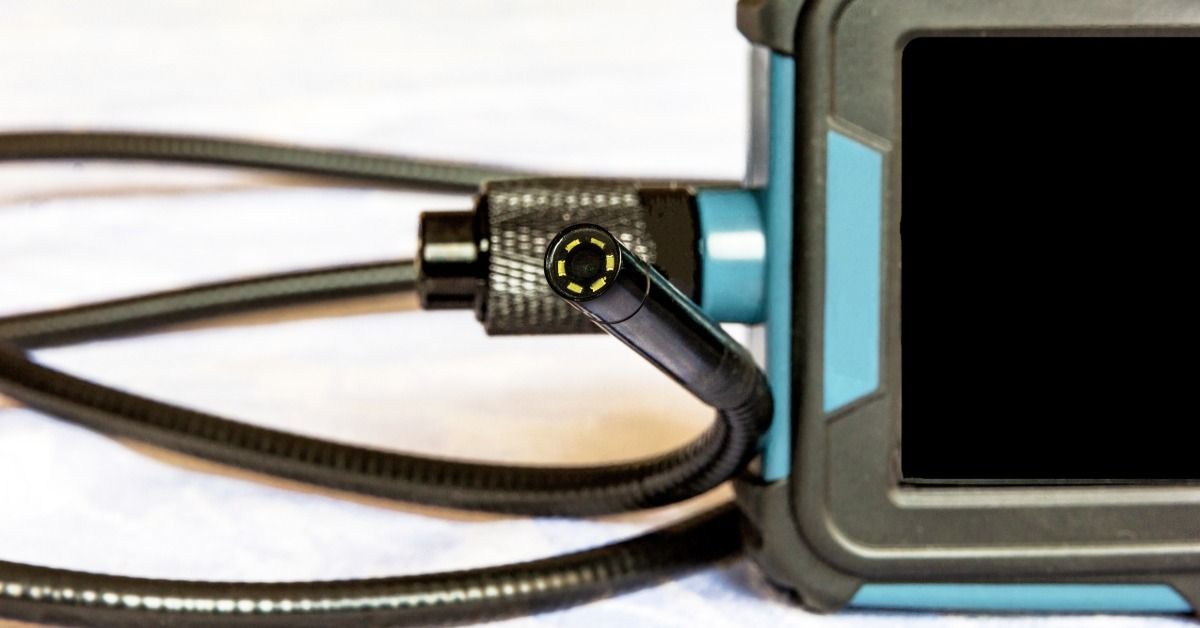
A sewer camera helps show what’s happening inside the line. It can reveal the pipe material, showing where the trouble began, while also indicating whether the pipe has cracks or joint separation. That information matters because not every sewer problem calls for the same solution.
Inspection can also protect homeowners from unnecessary work. If the pipe still has a strong structure, cleaning may solve the immediate issue. However, if the pipe has collapsed, repeated clearing won’t address the real problem. The camera helps separate routine maintenance from repair planning.
When an Older Home Needs Professional Sewer Help
In the end, navigating the unique sewer needs of older homes isn’t as easy as it might seem. Many homes will need sewer services that account for age rather than treating every clog the same way. That means you’ll need a technician who considers the history of the home and the pattern of symptoms before starting. The work should also leave the homeowner with a clearer sense of what may happen next.
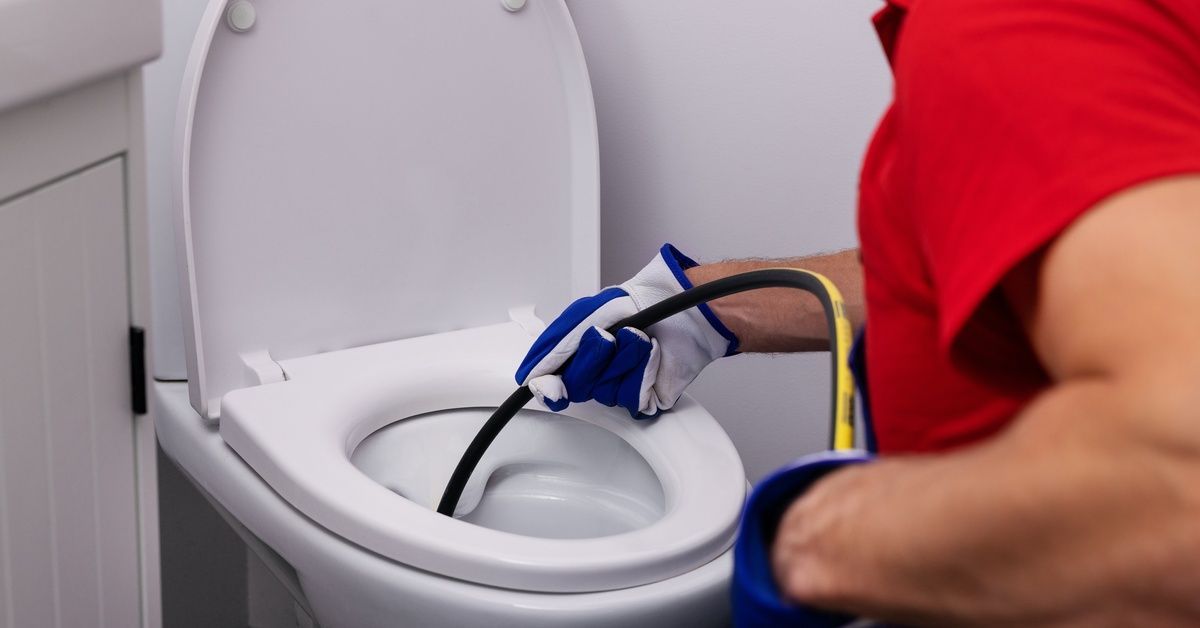
If this is the kind of service you want, our sewer rodding services in Salem, MA , are the perfect solution for clearing your sewer lines. Our experienced team knows exactly how to handle these issues with older pipes, and can ensure that your backup doesn’t become a recurring problem.
You might also like
Blog