Debunking Common Camera Inspection Myths & Misconceptions
Most people don’t spend much time thinking about what’s going on inside a sewer line until something starts acting up. A slow drain, a bad smell, or a clog that keeps coming back grabs attention fast.
Debunking common camera inspection myths and misconceptions matters because a lot of property owners still have the wrong idea about what these inspections do, when they help, and what the process actually looks like. Getting clear on the facts can make sewer problems easier to address before they grow into larger repairs.
Camera Inspections Are Only for Commercial Properties
Some people think camera inspections are mainly used for large commercial plumbing systems. That idea comes from the fact that commercial properties often deal with heavier sewer use and more frequent maintenance needs. Residential lines can have many of the same problems, including root intrusion, cracks, buildup, and shifting sections of pipe. A camera inspection can help a homeowner find the source of an ongoing sewer issue without relying on guesswork.
A Camera Inspection Is Only for Older Sewer Lines
A lot of property owners assume newer sewer lines don’t need to be checked. That sounds reasonable at first, but new lines can still have installation defects, misaligned joints, construction debris, or damage from ground movement and nearby work. Those problems can affect homes and commercial buildings alike. A camera inspection can check whether a newer sewer line has hidden defects before they worsen over time.
Camera Inspections Are Only Needed for Major Sewer Problems
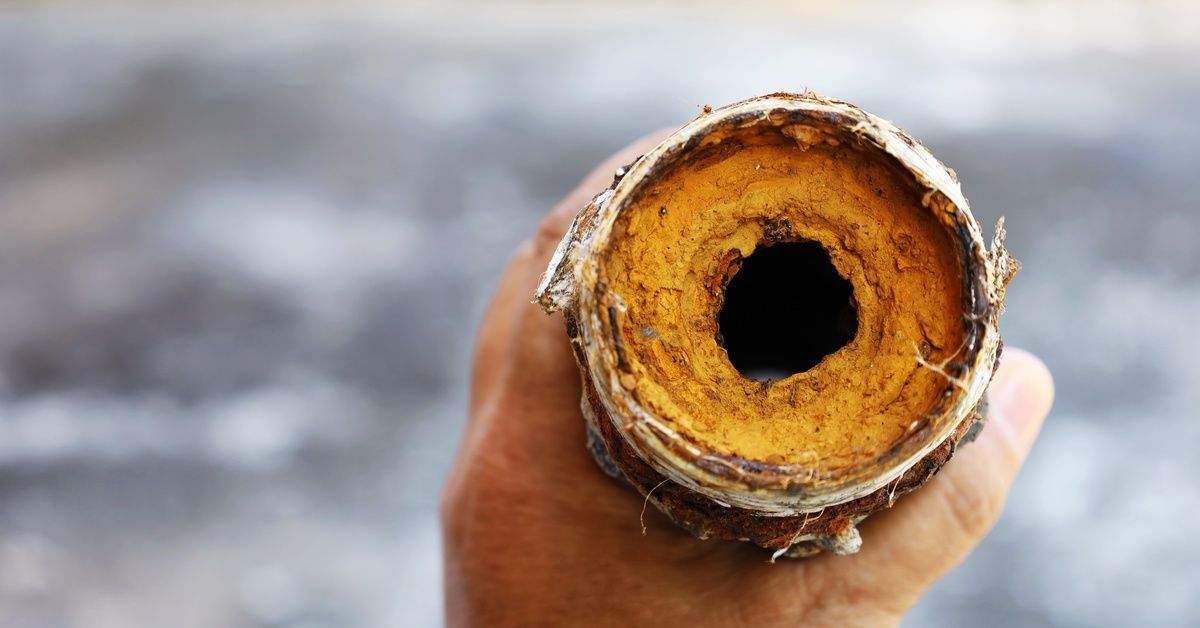
A lot of people assume a camera inspection only makes sense when a sewer line has already failed. That’s not true. Camera inspections help identify buildup, cracks, root intrusion, blockages, and worn sections before the problem turns into a backup or property damage.
For commercial properties, that can mean fewer disruptions for staff, customers, and tenants. For homeowners, that can mean catching a developing issue before it disrupts daily routines or leads to more extensive damage around the property.
Camera Inspections Are Only Necessary After a Sewer Backup
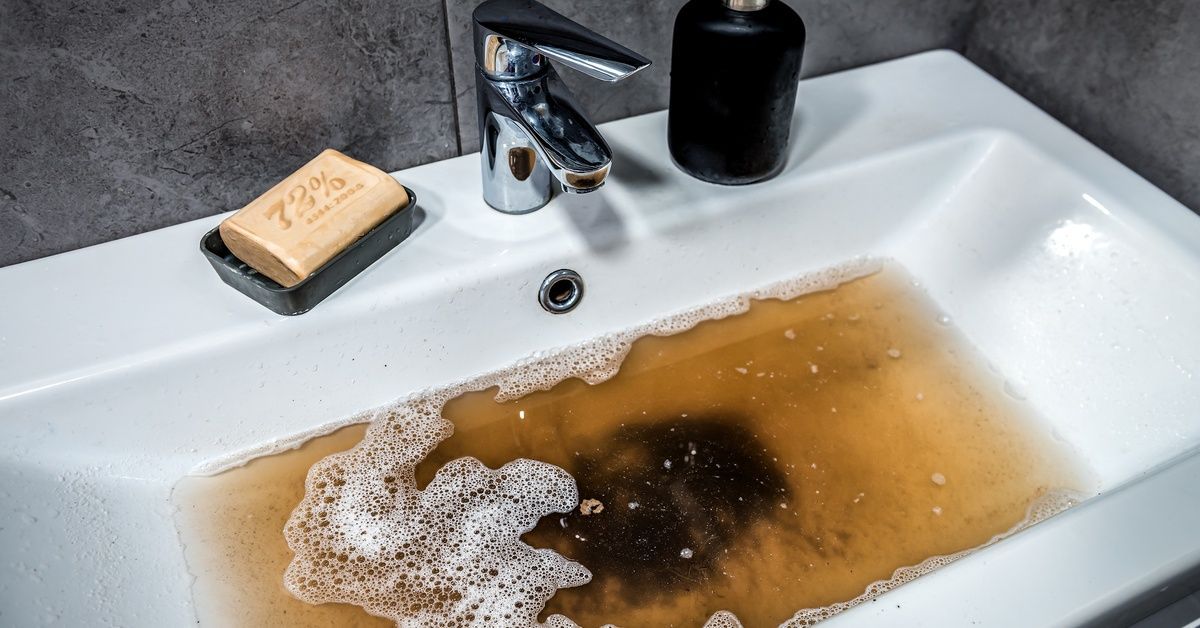
Some people wait until sewage backs up before they consider an inspection. That approach misses the value of finding a problem earlier. Sewer lines often show warning signs before a backup happens, including recurring clogs, slow drainage, or odors near drains and cleanouts. A camera inspection can help identify whether the line has buildup, root intrusion, or pipe damage before wastewater starts coming back into the property.
A Camera Inspection Will Damage the Pipe
Some people put off an inspection because they think the equipment is rough on the line. That’s not how the process works. The camera is made to move through the pipe and record the interior without breaking into the line or tearing up the property. The goal is to inspect, not disturb. A camera inspection can show whether a pipe has cracks, buildup, or root intrusion without creating new damage during the process.
A Camera Inspection Gives Blurry or Incomplete Results
Some people think a camera inspection won’t show enough detail to be useful. This misconception comes from the fact that sewer lines are underground, enclosed, and dark, so the footage seems like it would be hard to read or too limited to reveal much.
In reality, inspection cameras are built with lighting and designed to travel through the line while recording the pipe’s interior in real time. That lets the technician see the condition of the pipe wall, the location of buildup, and changes in the line’s shape or connection points.
A Camera Inspection Always Leads to Digging Up the Yard
Some people think an inspection automatically means major excavation is next. That belief is tied to older sewer work practices, where finding a problem often meant digging right away.
A camera inspection doesn’t create that outcome on its own. It shows what’s happening inside the line so the problem can be identified accurately first. Not every sewer issue requires excavation. Some problems may involve a blockage, localized buildup, or another condition that can be addressed without digging up the yard.
Camera Inspections Take Too Long to Be Practical
Some people put off a camera inspection because they expect it to turn into a long, drawn-out process. In many cases, that’s not true. A typical sewer camera inspection takes about 30 minutes to an hour for a standard residential line, although longer or more complex systems can take more time. That makes it a practical way to identify what’s happening in the line without spending hours on guesswork first.
Camera Inspections Cost Too Much to Be Worth It

Some people avoid a camera inspection because they expect it to be an unnecessary extra cost. That view treats the inspection as a separate expense instead of part of finding the actual problem. A camera inspection can save money by showing what’s happening inside the sewer line before repair work begins. That makes it easier to avoid paying for the wrong fix, repeating the same service call, or overlooking a problem that gets more expensive over time.
A Camera Inspection Can Diagnose Every Sewer Problem on Its Own
Some people expect a camera inspection to answer every question immediately. That puts too much weight on one part of the process. A camera can show the inside of the line and reveal visible issues such as cracks, buildup, root intrusion, or separated joints. It can’t test every plumbing component or explain every symptom by itself. A camera inspection gives direct visual information, which helps narrow down the problem and support the next repair decision.
Get Clear Answers Before Problems Get Worse
A camera inspection gives people something they usually don’t have with sewer issues: direct information. Instead of guessing, it shows what is happening inside the line and helps narrow down the next step based on the actual condition of the pipe. Debunking common camera inspection myths and misconceptions gives property owners a better understanding of when this service makes sense and why it can save time, money, and frustration.
At Sewer Bros, we provide sewer line camera inspection to anyone who needs a sewer line checked for blockages, cracks, or root intrusion. Our technicians use camera equipment to inspect the inside of the pipe with accuracy. A camera inspection can keep your property from dealing with a larger sewer problem. Don't hesitate to call us and schedule a visit if it's time for a closer look.
You might also like
Blog