Everything You Need To Know Before Hydro Jetting Older Pipes
Older homes come with character, charm, and plumbing that has seen some things. When drains start slowing down or backing up, the solution isn’t always as simple as clearing a clog and moving on. It might need a deeper clean, which is where hydro jetting comes into play. This process is one of the most effective professional drain cleaning methods available, but with older pipes, the condition of the system matters just as much as the blockage itself.
If you are considering hydro jetting for an aging plumbing system, it helps to understand everything there is to know about hydro jetting older pipes. Knowing how professionals assess risk, adjust pressure, and decide whether jetting is appropriate puts you in a stronger position when choosing who to hire.
What Is Hydro Jetting and How Does It Work?
Hydro jetting is a process that uses a professional machine to pump water through a hose and nozzle at high pressure. The nozzle directs water forward to break apart obstructions and backward to scour pipe walls while pushing debris out of the line. Done correctly, it fully cleans out the inside of the pipe rather than just punching a temporary hole through a clog.
Pros use hydro jetting to clear grease, sludge, soap buildup, mineral scale, and some root intrusion. Pressure and nozzle choice are adjusted to the pipe size and what the line is made of. That’s why it’s best to leave hydro jetting to the pros.
Why Older Pipes Require Special Consideration
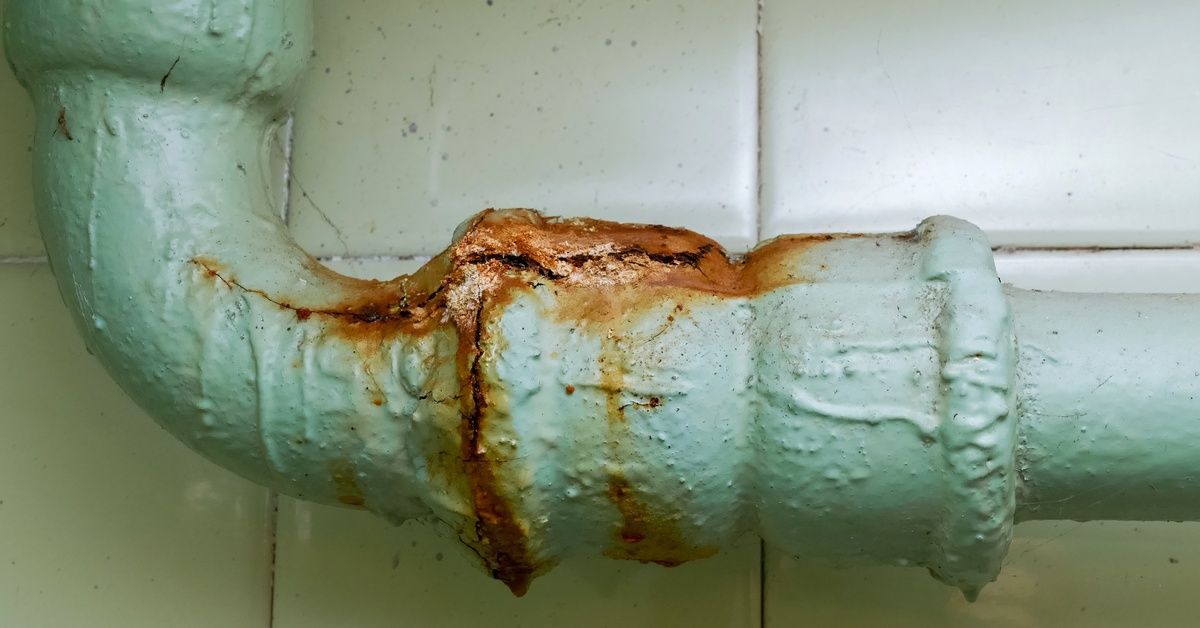
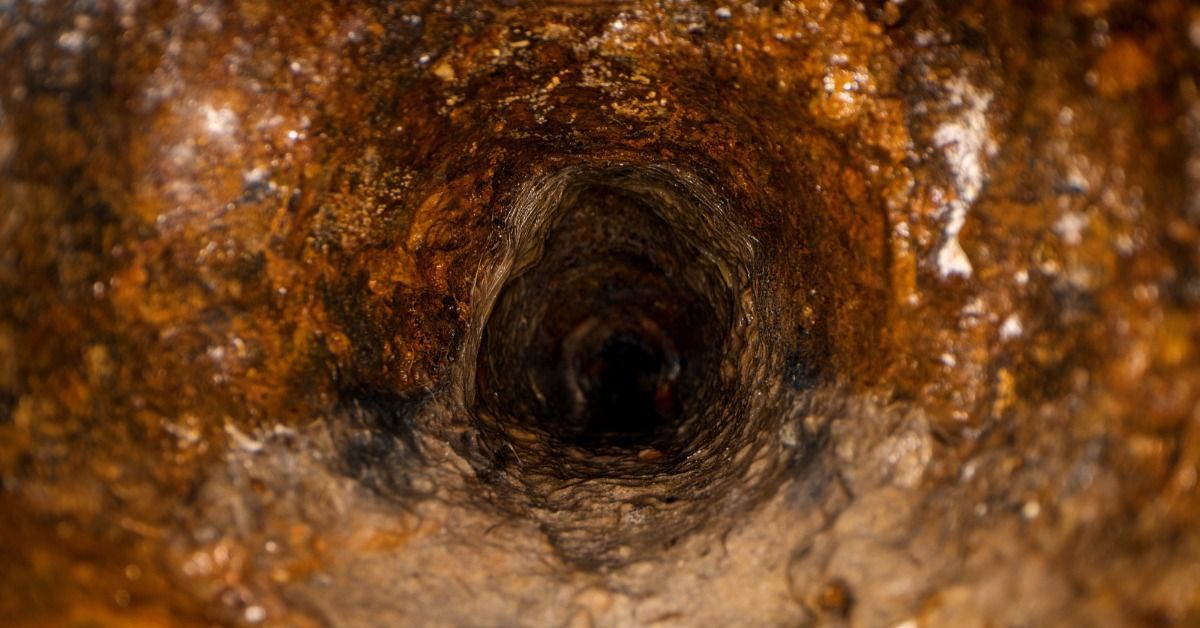
Older pipes are more likely to have hidden weaknesses, even if the drains still work most days. Corrosion can thin walls, joints can loosen, and years of buildup can narrow the line and change how waste flows. Those conditions affect how much pressure the pipe can safely handle and how effective cleaning will be.
Common Materials in Older Plumbing Systems
Many older homes have cast iron drain lines, clay sewer laterals, galvanized steel sections, or Orangeburg pipe. Cast iron often develops internal rust and roughness that catches debris. Clay is rigid but can crack or shift at joints, and galvanized steel can constrict due to corrosion. Orangeburg, a fiber-based pipe, is known to deform or collapse as it ages. Material matters because “older pipes” are not uniformly the same thing, and a contractor who treats every system the same isn’t doing their job correctly.
Age-Related Pipe Issues
Settling and soil movement can create offsets, bellies, and stressed joints over time. Previous repairs may leave uneven transitions that snag debris and restart clogs. In older systems, recurring backups sometimes have a structural component, not just buildup. Hydro jetting works best when the pipe is structurally sound but dirty. If the pipe is failing, cleaning won’t necessarily fix the issue.
When Hydro Jetting May Be Risky
Hydro jetting can be risky if the line is severely corroded, partially collapsed, or already leaking. High pressure can aggravate weak points, especially at fragile joints or thinned cast iron. The issue is not water; it’s using the wrong pressure on the wrong pipe.
A qualified pro reduces risk by inspecting first and using conservative settings when needed. If someone wants to jet first and “see what happens,” they’re testing your luck, not their skill.
The Importance of a Professional Camera Inspection
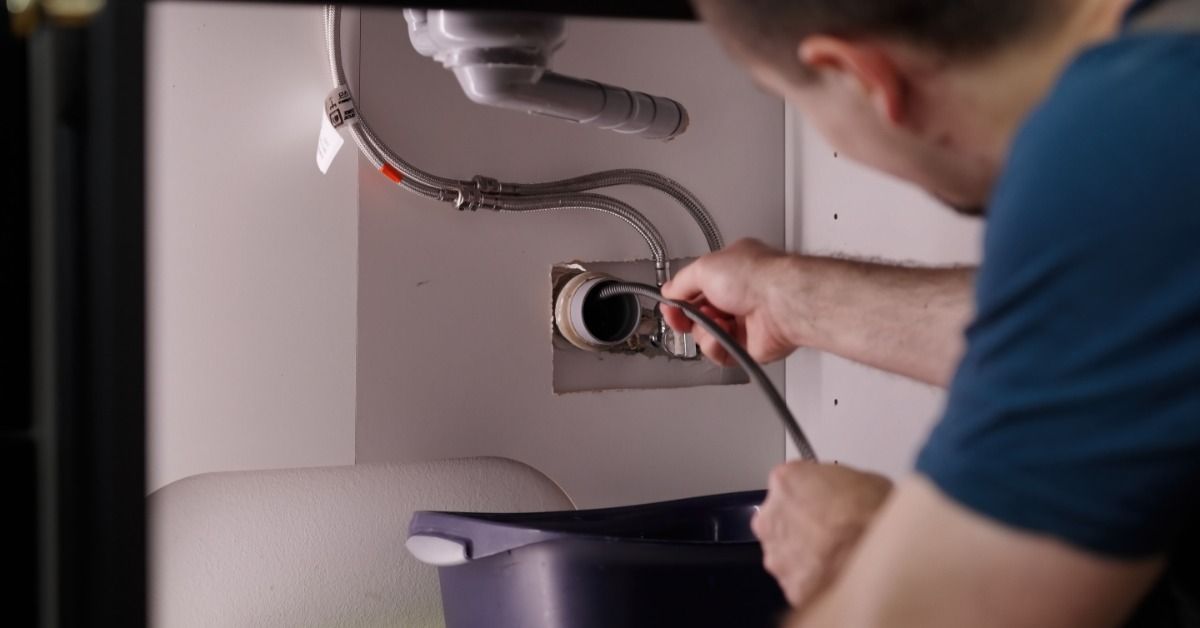
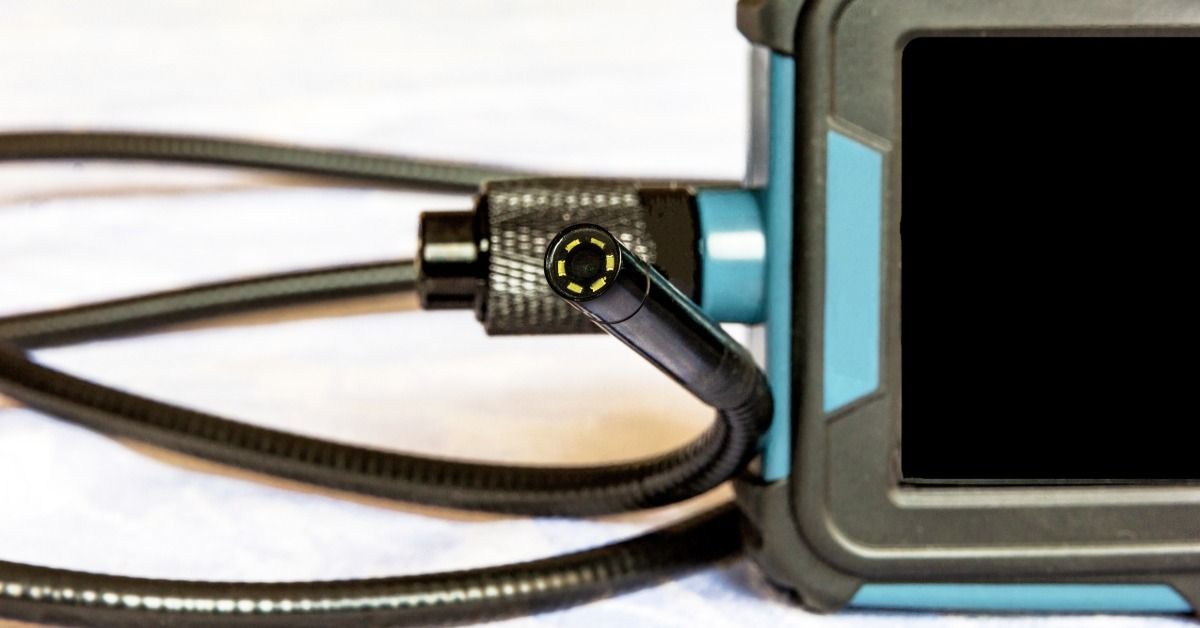
While not technically required, performing a camera inspection can be the difference between a fixed pipe and a broken one. By running a sewer camera through the line, the technician can see the type and location of the blockage, as well as the condition of the pipe walls and joints. That information helps determine whether hydro jetting is appropriate and what pressure range is reasonable.
Why Inspection Should Always Come First
Inspection confirms whether the issue is buildup, roots, a belly, a broken section, or something else entirely. It also reveals cracks, heavy corrosion, and offsets that warrant a different approach. For older pipes, this step protects you from paying for a service that is likely to fail or cause damage.
It also sets expectations. If the camera shows structural problems, the right “fix” may be repair or replacement rather than repeated cleaning.
What Homeowners Should Expect
A reputable plumber explains what they see in plain language and can show you images or video. They should point out the problem area and explain why hydro jetting is or is not recommended. If they can’t explain it simply, you can’t verify you’re proceeding with the right solution.
You should also have a clear plan for what to do if the inspection reveals serious damage. Professionals don’t act surprised by common problems in old lines.
Signs Your Older Pipes May Be a Good Candidate for Hydro Jetting
Hydro jetting is often a strong option when you have recurring slow drains or backups caused by buildup. Grease-heavy kitchen lines, laundry lines with soap residue, and older cast iron with internal scaling can respond well when the structure is intact. The benefit is restoring interior capacity, so waste moves through the pipe instead of clinging to rough walls.
Root intrusion can also be a candidate when the pipe is aligned and stable. The camera should confirm roots are entering through joints, but the line isn’t cracked apart or collapsing. In that scenario, controlled jetting can clear roots and flush debris downstream.
When Hydro Jetting Is Not the Best Solution
Hydro jetting is usually not the right move for severely deteriorated pipes, especially Orangeburg or heavily thinned cast iron. If the camera shows active leaks, collapsed sections, or major joint separation, cleaning won’t fix the underlying failure. Aggressive cleaning can even accelerate a problem that was barely holding together.
When structural issues are present, a pro should discuss alternatives like sectional repair, lining, or replacement. Sometimes the correct solution is “fix the pipe,” not “clean the pipe.”
What to Look for When Hiring a Hydro Jetting Professional
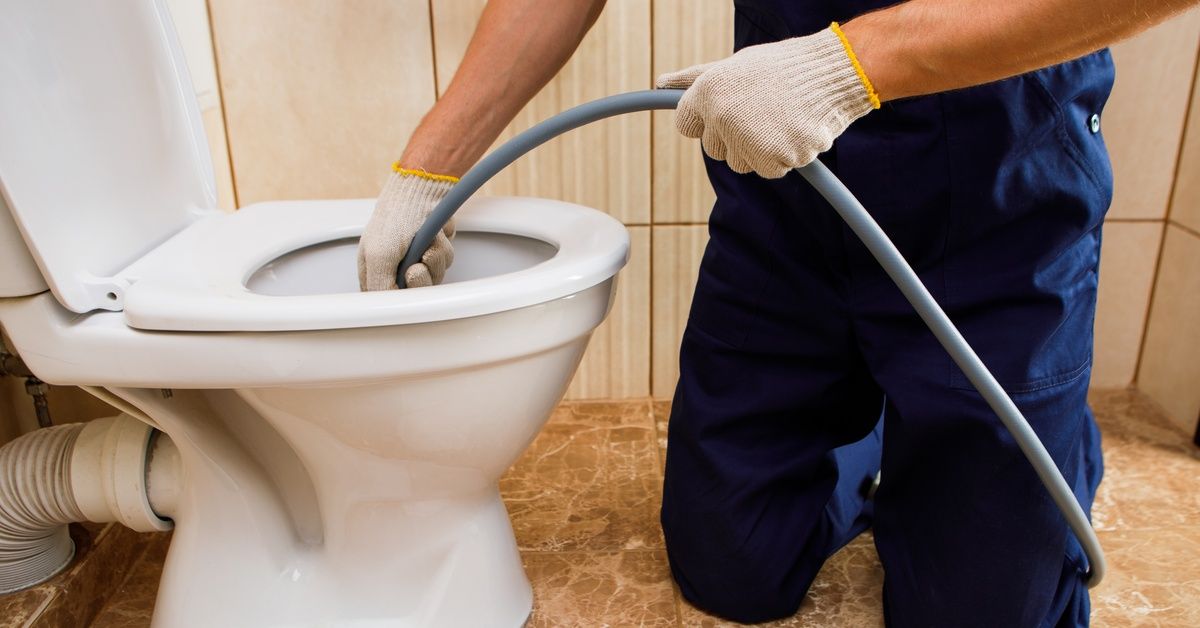
An important thing to know before hydro-jetting older pipes is who is best suited for the job. Start with the basics: licensing (where required) and insurance. If a company can’t show those, they’re asking you to take on their risk. Older pipe work is not the moment to be overly trusting.
Next, look for experience with older materials and an inspection-first approach. Ask if they always camera the line before jetting, how they set pressure, and what they do if they find damage. Good answers will be specific, measured, and consistent with what the camera shows.
Finally, pay attention to communication and flexibility. A solid pro is comfortable recommending alternatives when jetting is not appropriate. If every problem magically has the same solution they sell, that’s not expertise.
How to Prepare for a Professional Hydro Jetting Appointment
If residential hydro jetting services in Salem, MA, sound like the right call for your pipes, then the Sewer Bros are here to help. However, there are a few things you should do to prepare your home for this type of service.
First, you should clear out the areas near cleanouts, floor drains, and exterior access points of your backed-up system. If you know where backups happened before, point that out so the technician can focus their inspection and setup in the right place. Keep pets and kids away from the work area since hoses and equipment take up space and create trip hazards.
Be sure to also limit water use during the service window so the line isn’t being actively fed while it’s being cleaned. Gather any helpful context, such as prior repairs, recurring clog locations, or previous camera results, so the technician isn’t starting cold. Preparation won’t replace inspection, but it will reduce wasted time and make the visit smoother.
You might also like
Blog