How Landscaping Choices Impact Your Home’s Drainage System
For many homes, landscaping does more than improve the look of your property. The way your yard is graded, planted, and built out affects how water moves after it rains. When those choices support proper drainage, they help protect your foundation, lawn, and outdoor spaces from long-term moisture problems. When they don’t, water can collect in the wrong places, creating issues that are harder to fix later.
However, poor drainage doesn’t always stem from a single major mistake. Sometimes, it comes from smaller issues that change how water behaves across the yard. Understanding how these types of landscaping choices affect your home’s drainage system can help homeowners avoid damage above and below ground.
Grading Determines Where Water Goes
The slope of your yard is one of the biggest factors in drainage. Water follows the path of least resistance, so even a small grading issue can change whether runoff moves away from your home or back toward it. If the ground slopes toward the house, water may collect near the foundation rather than drain safely across the yard.
Proper grading helps create a clear path for rainwater to move away from the house before it settles into vulnerable areas. This is especially important around the foundation, where excess moisture can lead to seepage or soil movement over time. Landscaping projects that add soil, reshape beds, or raise the height of certain areas can all interfere with that slope if not carefully planned.
Low Spots and Landscape Features Can Trap Water
Not every drainage issue comes from the overall slope of the yard, though. Smaller features such as dips in the lawn, raised garden borders, berms, and decorative edging can also disrupt water flow. These details may seem minor, but they can create pockets where runoff settles instead of continuing away from the home.
That lingering moisture can lead to muddy patches, thinning grass, erosion, and oversaturated planting beds. If these low spots or barriers sit too close to the house, they can concentrate moisture near the foundation and worsen an existing drainage issue. Even well-intended landscape features can become a problem when they interrupt the natural path water needs to follow.
Soil and Mulch Affect Absorption
Soil condition plays a major role in how well your yard handles rainfall. Compacted soil resists absorption, which means water is more likely to sit on the surface or run off too quickly. Instead of gradually soaking into the ground, it may collect in puddles or flow into lower areas that cannot handle the extra water.
Healthier, less compacted soil allows water to absorb more evenly and reduces the chance of surface runoff. Landscaping choices that compress the soil or leave it poorly maintained can make water problems even worse over time. Soil may not be the most noticeable part of a yard, but it has a major effect on how that yard handles stormwater.
Mulch can also affect drainage. When used correctly, mulch helps regulate soil moisture and reduce erosion during heavy rain. But when applied too thickly or piled against the home, it can trap moisture in places that should stay drier.
Plants Can Help or Complicate Drainage
Planting choices affect drainage in ways many homeowners overlook. The right plants can help stabilize soil, reduce erosion, and absorb some moisture from the surrounding ground. In areas where runoff tends to wash out soil, root systems can help hold the landscape in place and support more balanced drainage.
At the same time, the wrong plants in the wrong locations can create problems. Dense plantings may hold excess moisture in already wet areas, while larger root systems can interfere with natural drainage patterns. Trees and shrubs planted too close to underground components may also create problems below the surface as roots expand over time.
This is especially important when planting near the home, near underground lines, or in spots where water already tends to collect. While everyone wants to choose plants for their home solely based on appearance, this can lead to long-term issues if their size, root growth, or water needs aren’t considered.
Gutter and Downspout Placement Affects Drainage
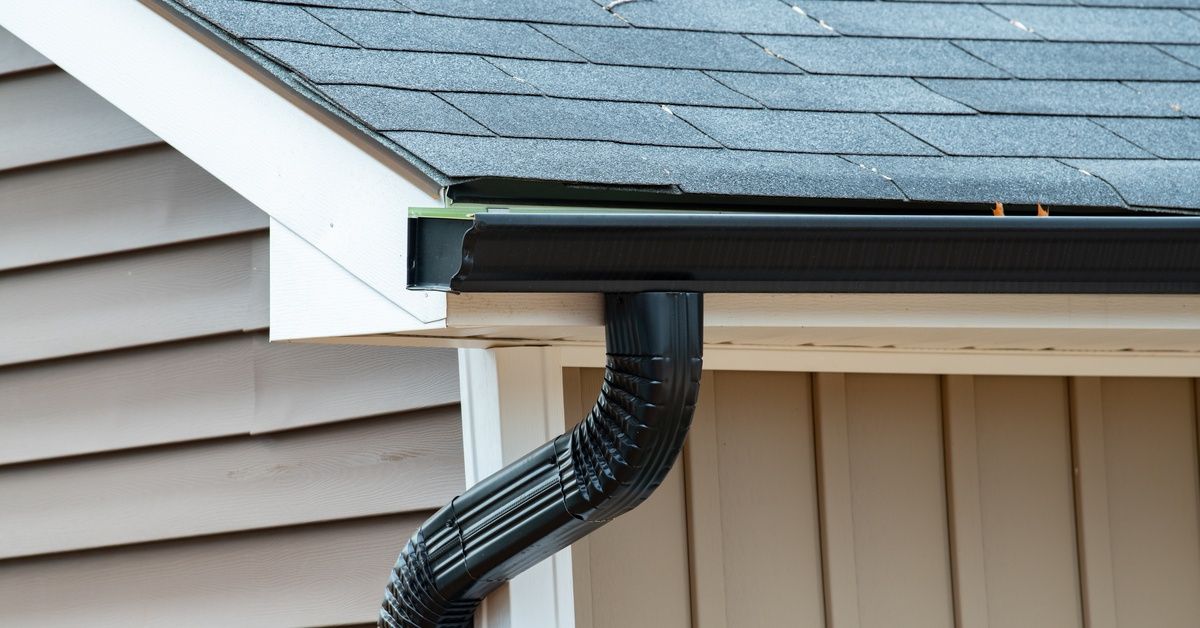
Gutters and downspouts help control where roof runoff ends up, but their placement matters just as much as the landscaping around them. During a storm, a roof can send a large amount of water into one concentrated area within a short amount of time. If downspouts discharge too close to the house, that water can quickly saturate the soil near the foundation.
The surrounding landscape needs to support where that water is going. If a downspout empties into a low spot, a planting bed, or an area blocked by edging, the runoff may collect rather than drain away. Even a well-maintained gutter system can fall short if the yard does not allow roof runoff to move away properly once it reaches the ground.
Hardscaping Changes How Water Moves
Hardscaping features like patios, walkways, and driveways reduce the amount of exposed ground available to absorb water. Because those surfaces are less permeable than soil, rain tends to run across them instead of soaking in. That increases runoff and can send water toward parts of the yard not designed to handle it.
Layout matters just as much as the material itself. A patio or walkway that slopes the wrong way may redirect water toward the home or into nearby planting beds. Without proper planning, hardscaping can unintentionally make existing drainage problems much worse.
When Drainage Problems Go Beyond Landscaping
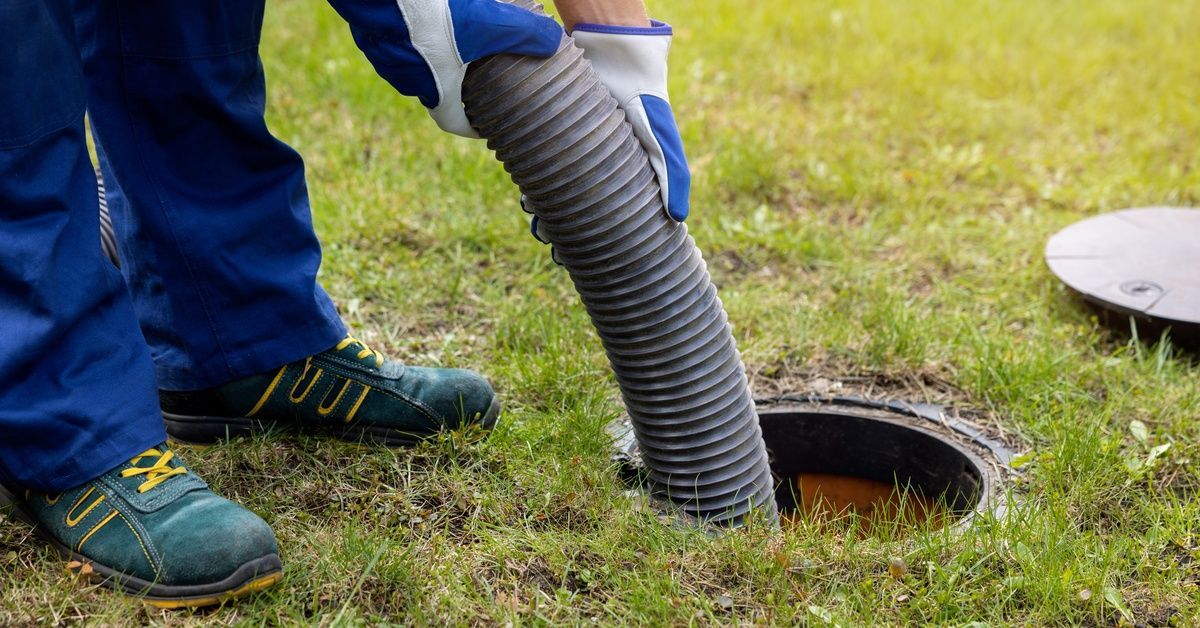
Sometimes, problems with your home’s drainage system aren’t caused by your landscaping choices alone. If water continues to pool in the same areas despite grading improvements or other surface changes, the issue may go deeper than the yard itself. Persistent soggy spots or recurring drainage trouble near the home can sometimes point to an underground problem rather than a simple surface issue.
Tree root intrusion, shifting soil, and damaged buried lines can all affect how water moves through a property. In those cases, what appears to be a simple landscaping issue may overlap with a larger drainage or sewer line concern. When that happens, sewer line services may be needed to address the underlying problem rather than just the symptoms on the surface. If you need either residential or commercial sewer line services in Salem, MA, then the Sewer Bros are here to help.
You might also like
Blog