Drain Cleaning for Pet Owners: Managing Hair Buildup
Pets bring a lot of joy into a home, but they also introduce maintenance challenges that don’t always get immediate attention. Shedding is one of the most visible examples, showing up on furniture, clothing, and floors, no matter how often cleaning happens. What’s easier to overlook is how that same hair moves beyond living spaces and into parts of the home that aren’t checked as often.
Household drains are especially vulnerable. Hair enters plumbing systems through everyday pet care routines, gradually collecting out of sight. Because the buildup happens slowly, pet owners may not connect recurring drain issues to shedding at first. Over time, though, unmanaged hair accumulation can interfere with drainage and lead to persistent plumbing problems. To fix this issue, pet owners need to know how to manage hair buildup through proper drain cleaning practices.
Why Pet Hair Is a Common Drain Problem
Pet hair creates unique challenges once it enters a plumbing system. Its texture and structure make it more likely to cling to the inside of pipes rather than pass through easily. Many types of pet hair are finer or more irregular than human hair, which allows them to tangle and latch onto rough pipe surfaces.
Homes with pets also introduce more hair into drains than pet-free households. Bathing animals, washing pet bedding, and cleaning grooming tools all send concentrated amounts of hair into the plumbing system. This repeated exposure increases the likelihood of buildup, even when drains appear to function normally at first.
How Pet Hair Builds Up in Drains Over Time
Hair-related drain issues tend to develop gradually rather than suddenly. Small amounts of hair enter the drain during routine activities and settle inside the pipes, where they combine with substances already present in the system.
Soap scum plays a major role in this process. When soap mixes with minerals in water, it forms a sticky residue that coats pipe walls. Pet hair easily adheres to this residue, creating a base that traps additional hair and debris. Grease and oils from cleaning products or utility sinks can harden around this buildup, further restricting water flow.
Pet grooming habits can accelerate the process. Homes that bathe pets indoors or rinse muddy paws regularly introduce hair into drains more often. Even laundering pet blankets or towels contributes, as washing machines flush embedded hair into standpipes and main drain lines. Over time, these small contributions accumulate and lead to noticeable drainage problems.
High-Risk Drains for Pet Owners
Some drains are more susceptible to pet hair buildup than others. Identifying these high-risk areas can help homeowners focus their prevention and maintenance efforts where they matter most.
Bathtubs and showers are the most common problem areas. Washing a pet releases a large volume of loose fur in a short period of time. That hair then travels directly into the plumbing system, where it can begin collecting.
Laundry drains are another major concern. Pet bedding, blankets, and towels often hold hair deep within the fabric. During wash cycles, that hair is flushed out and sent into the drain line, where it can settle and combine with lint and detergent residue.
Utility sinks and outdoor wash areas may seem less problematic, but they are frequently used for rinsing grooming tools, pet crates, and muddy paws. These sinks often handle heavier debris along with hair, increasing the likelihood of buildup if not properly maintained.
Preventing Pet Hair From Entering Drains
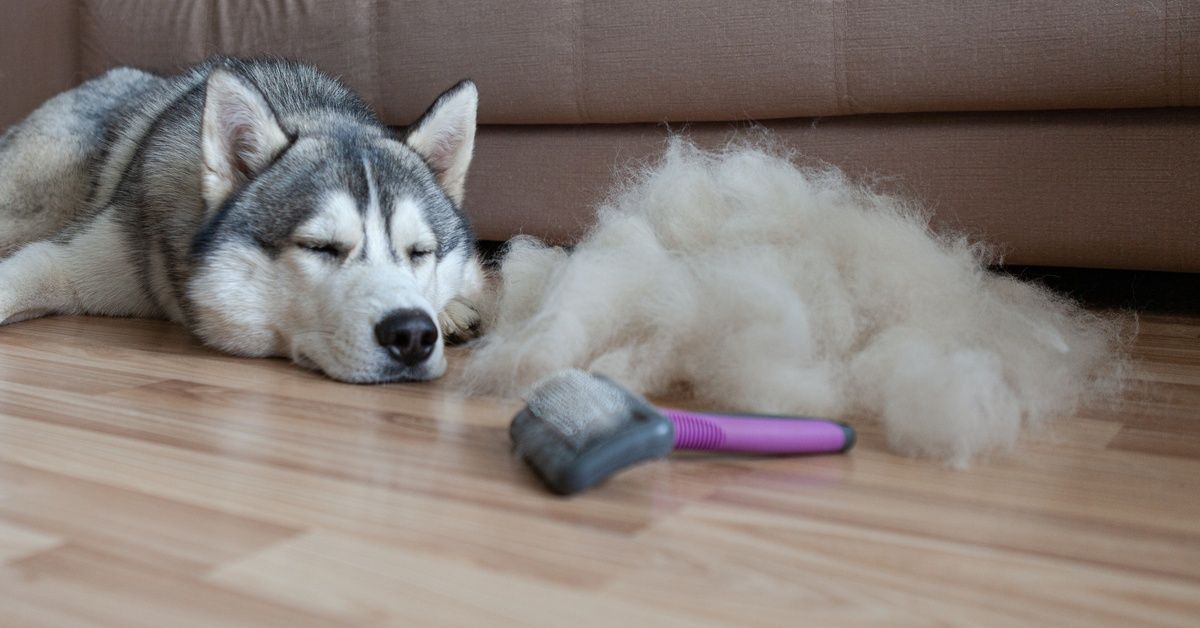
Once you’re aware of the hair buildup issue, the best thing for pet owners to do is prevent hair from entering drains in the first place. Small changes to daily routines can significantly reduce the amount of hair that reaches the pipes.
Drain covers and hair catchers provide a simple and affordable solution. These devices sit over or inside drains and capture hair before it enters the plumbing system. Cleaning them after each use, especially after pet baths, helps prevent overflow and keeps drains flowing properly.
Pet bathing habits also make a difference. Brushing pets thoroughly before washing removes loose hair that would otherwise wash down the drain. Using a handheld sprayer allows better control of water flow and helps direct hair away from the drain opening during baths.
Managing shedding overall reduces the amount of hair circulating throughout the home. Regular brushing, professional grooming, and seasonal shedding control all help minimize loose fur. When less hair collects on fabrics and floors, less hair ultimately finds its way into sinks, tubs, and washing machines.
Safe Drain Maintenance Tips for Homes With Pets
Drain maintenance in homes with pets should balance effectiveness with safety. Many commercial chemical drain cleaners contain harsh ingredients that can be dangerous to pets if inhaled, touched, or ingested. Fumes can linger in enclosed spaces, and residue may remain on surfaces near drains.
Pet-safe maintenance methods are typically mechanical or preventative. Regularly removing hair from drain covers, flushing drains with hot water, and using enzyme-based cleaners can help reduce organic buildup without introducing toxic chemicals into the home. Enzyme cleaners work gradually, making them better suited for ongoing maintenance rather than emergency clogs.
Boiling water can help loosen soap scum and light buildup, but you should use it carefully. Some plumbing materials may be damaged by excessive heat, so this method should be applied sparingly. Baking soda and vinegar are also commonly used for routine maintenance, though they are most effective when the buildup is minimal.
Consistent drain maintenance is especially important for pet owners trying to manage hair buildup. Checking drains regularly and addressing minor issues early helps prevent larger blockages and reduces the need for emergency plumbing repairs.
When to Call a Professional Drain Cleaning Service
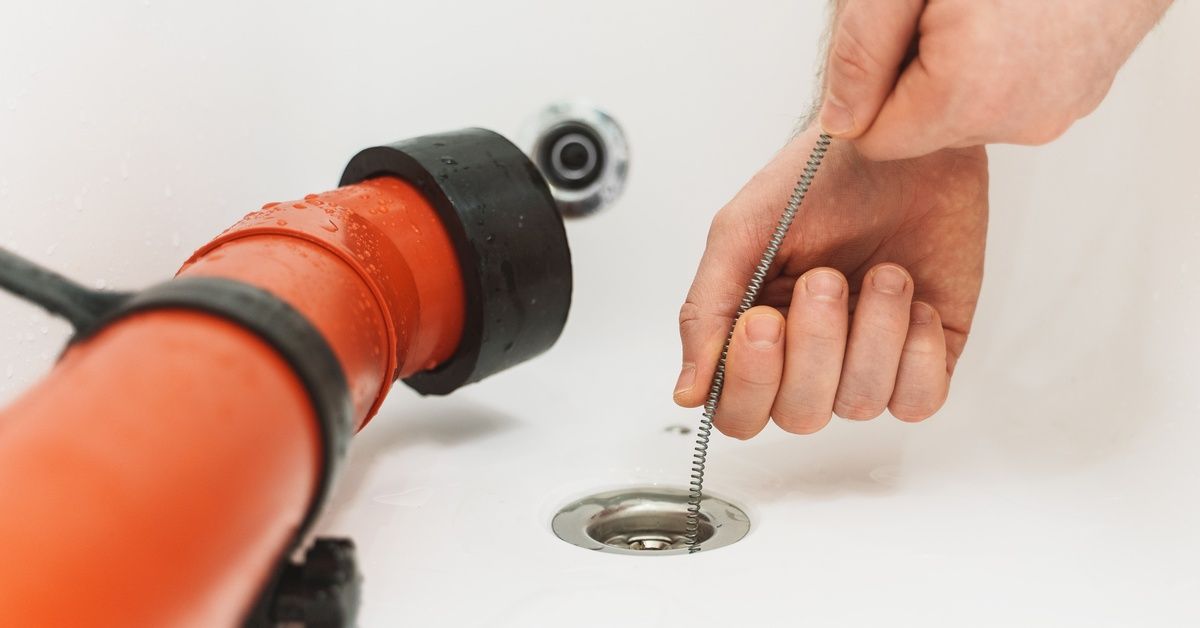
There are situations where household maintenance methods are no longer enough. Persistent slow drainage, repeated backups, or clogs that return shortly after cleaning often indicate buildup deeper within the plumbing system.
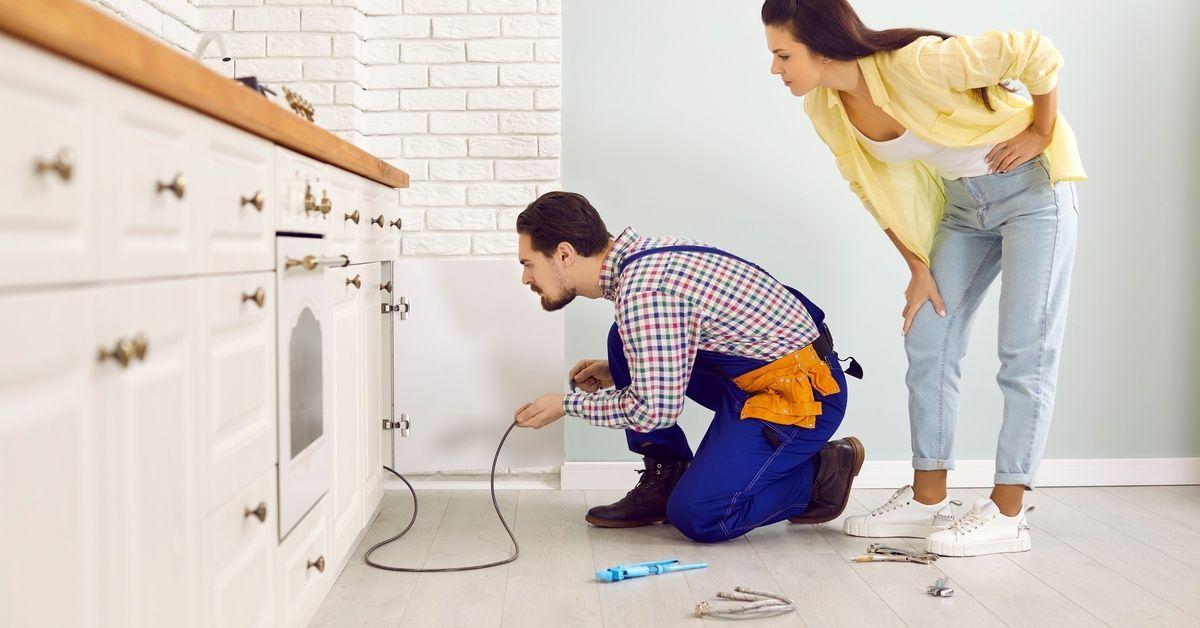
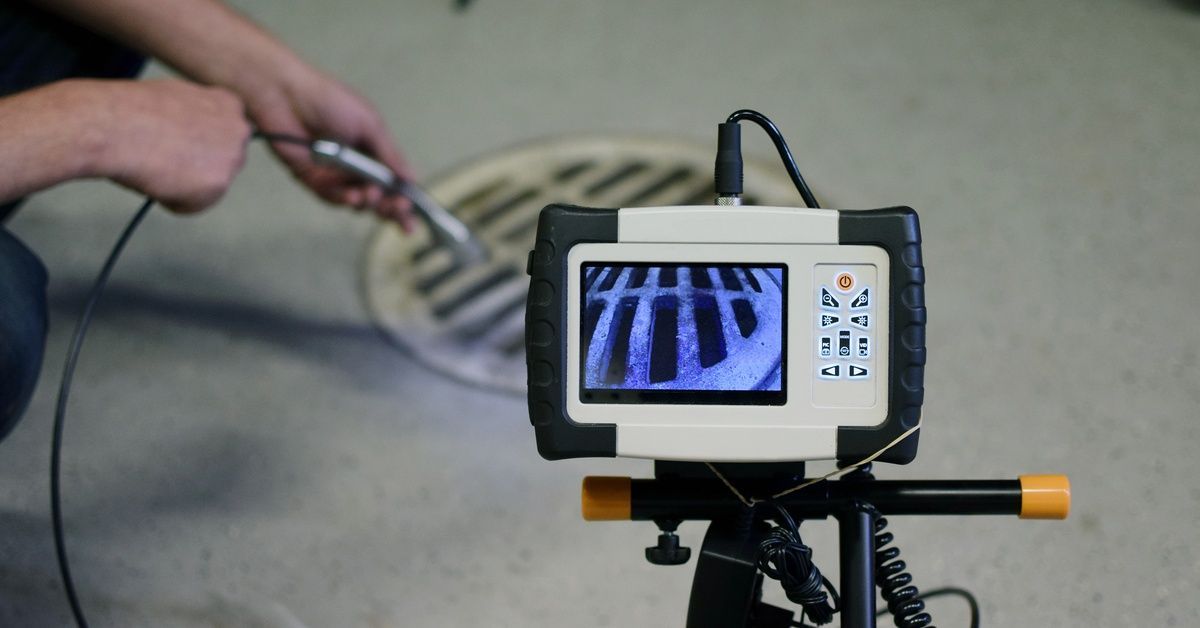
Professional drain cleaning services use specialized equipment designed to safely and thoroughly remove hair and debris. Motorized drain snakes and hydro jetting systems can reach far beyond what typical household tools can access, clearing buildup from pipe walls and restoring proper flow.
For pet owners, professional drain cleaning offers long-term value. Thorough service removes existing hair accumulation and helps reduce the frequency of future clogs. Routine professional maintenance can also identify developing plumbing issues early, allowing repairs to be made before damage becomes more extensive or costly.
If this sounds like the kind of service you need, the Sewer Bros are here to help. We are well-known sewer line contractors in Salem, MA, and deal with this kind of problem regularly. If you’re ready to remove that stubborn pet hair from your drain once and for all, give us a call.
You might also like
Blog