Why Camera Inspections Are Great for New Construction
When building a new property, you may have the ideal blueprints, timelines, and a vision of your finished product. Still, even once everything is in place, you might still be worried about whether everything behind the scenes is in place. This is where camera inspections come into play. By utilizing specialized optical technology, builders and inspectors can see into the darkest, tightest corners of a construction site without tearing anything apart.
Think of it as giving your construction crew X-ray vision, transforming the inspection process from an educated guess into a verified certainty. While this technology was once considered a luxury add-on, it is rapidly becoming a standard necessity for ensuring quality control from the ground up. To better understand it, we’re here to go over why camera inspections are an excellent idea for any new construction project.
The Major Benefits of Camera Inspections
Integrating camera technology into a new build isn’t just about having cool gadgets on site; it is a strategic move that protects the investment of both the builder and the future owner. The advantages ripple out from the earliest phases of the foundation pour to the final walk-through.
Early Problem Detection
With so many trades working simultaneously, construction sites are chaotic environments where mistakes can happen. A plumber might perfectly install a drain line, only for a heavy piece of equipment to drive over the burial site the next day, crushing the pipe underground. Without a camera inspection, this damage would remain invisible until the new homeowners flush their first toilet and experience a backup.
Camera inspections allow for the identification of these kinds of issues long before they are permanently covered by concrete or drywall. Catching a crushed pipe or a disconnected duct while the framing is still exposed is a minor fix, while finding it after the house is finished can be quite the disaster.
Significant Cost Savings
There is a common misconception that advanced inspections are an unnecessary expense. However, when you compare the cost of a camera run to the cost of ripping up a brand-new marble floor to fix a leak, the math becomes very simple.
Addressing problems during the construction phase prevents costly repairs down the road. If you find a defect early, the fix might take an hour of labor and fifty dollars in materials. If that same defect causes water damage six months after closing, the costs skyrocket into the thousands, involving demolition, remediation, and reconstruction. Camera inspections are essentially an insurance policy against these budget-destroying surprises.
Improved Accuracy and Precision
Blueprints may be perfect, but the real world rarely is. Camera inspections provide visual confirmation that installations match the plans with high precision. This is particularly crucial for electrical wiring and plumbing routes.
When inspectors can see exactly how a line is running inside a wall or under a slab, they can verify that the slope of a drain is correct or that wires aren’t pinched against a sharp metal stud. This level of accuracy ensures that the systems in the home operate at peak efficiency rather than just “good enough.”
Enhanced Safety Protocols
Construction sites are full of hazardous areas—deep trenches, unstable crawl spaces, and high rooflines. Historically, closely inspecting these areas meant putting a human being at risk.
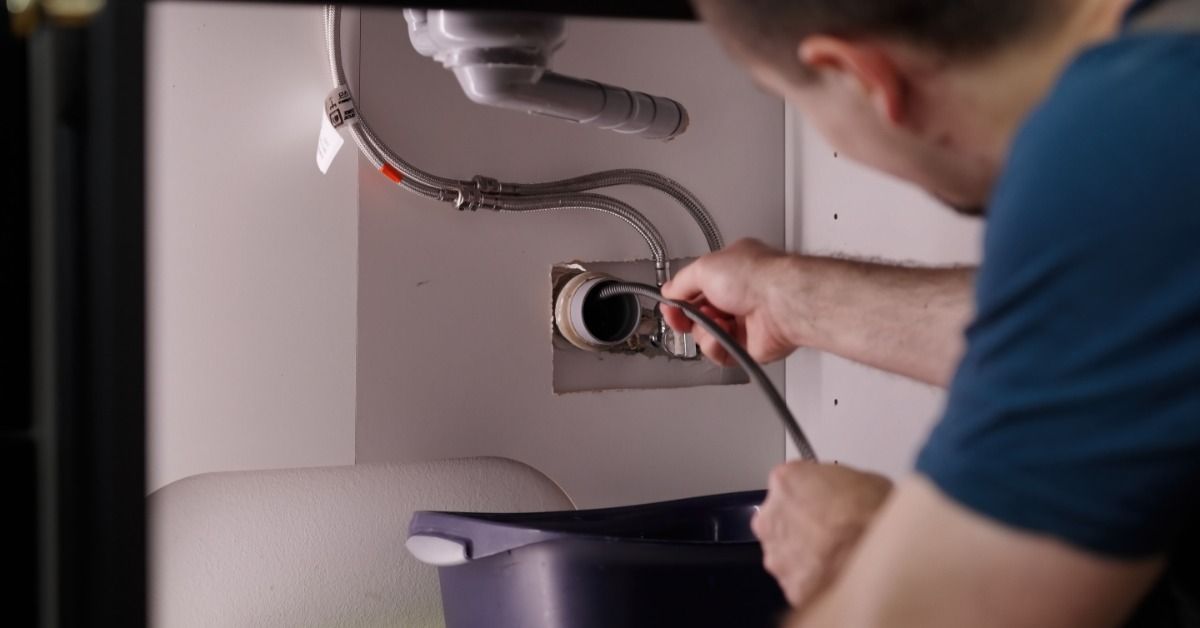
Remote camera inspections drastically reduce these risks. Instead of sending a person into a confined space to check a connection, an inspector can send a robotic crawler or a snake camera. This keeps workers out of harm’s way while still obtaining a detailed look at the area in question. It is a win-win for compliance and personnel safety.
Documentation and Transparency
One of the most underrated benefits of this technology is the digital paper trail it creates. High-definition video recordings provide indisputable visual records for clients, contractors, and municipal inspectors.
This transparency builds immense trust. If a contractor can hand a client a USB drive showing the pristine condition of the sewer line all the way to the city main, it provides peace of mind that is hard to replicate with a paper checklist. It also ensures accountability; if a sub-contractor claims a job is done, the camera footage is there to prove it—or disprove it.
Common Applications in Construction Projects
Now that you better understand why camera inspections are worth using in construction projects , it’s time to see what kinds of applications you can use them for. While their utility was once relatively narrow, their usage has significantly expanded across various trades in the construction industry.
Plumbing and Sewer Lines
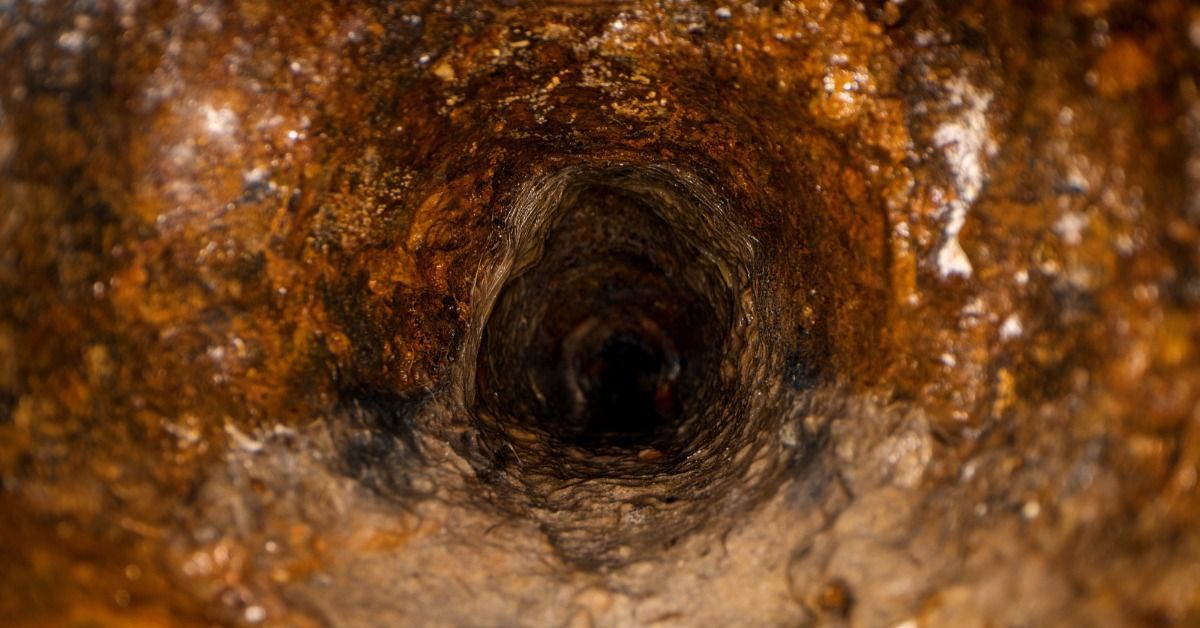
This area remains the most critical application of this process. New construction sites are notorious for having debris—soda cans, rocks, lumber scraps—accidentally kicked into open pipes before capping them off. A sewer camera inspection ensures the lines are clear of blockages and that the pipes haven’t been damaged during the backfill process. It verifies that the “arteries” of the building are healthy before the heart starts beating.
HVAC System Checks
Ductwork is often installed early in the build and can easily be crushed or disconnected by subsequent trades working in the ceiling or crawl spaces. A camera run through the ducts ensures there are no obstructions or disconnects that could lead to poor airflow or energy inefficiency later on. It also confirms that the ducts are free of sawdust and drywall dust, ensuring good air quality from day one.
Structural Integrity Assessments
For areas that are structurally critical but difficult to access, such as the space between floors or deep inside foundation pilings, bore-scope cameras can be quite invaluable. They’ll be able to reveal cracks, voids in concrete, or termite shields that have shifted out of place. This application ensures the skeleton of the building is sound without resorting to more destructive forms of testing.
Roof and Exterior Inspections
The rise of drone technology has revolutionized exterior inspections. Instead of setting up scaffolding or ladders, a drone equipped with a high-resolution camera can fly over the roof to inspect shingles, flashing, and gutters. This is particularly useful for multi-story commercial builds or steep residential roofs where physical access is dangerous and time-consuming.
Incorporating Camera Inspections into the Process
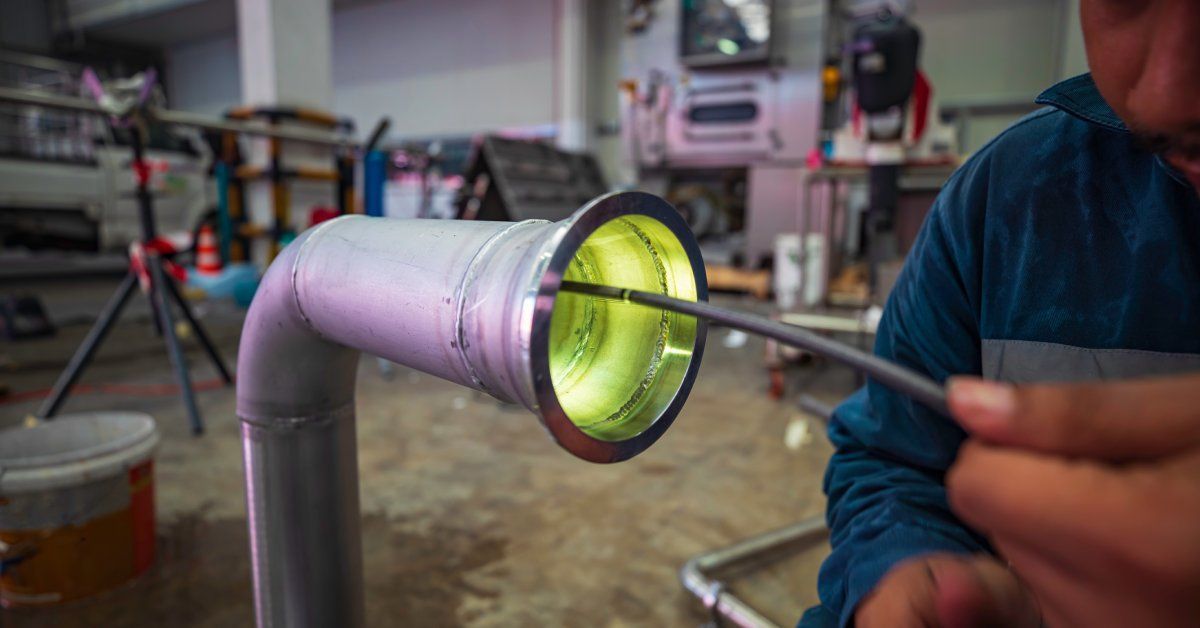
Deciding to use camera inspections is the first step; knowing how to implement them effectively is the second. You want to ensure you are getting the best data possible to make informed decisions.
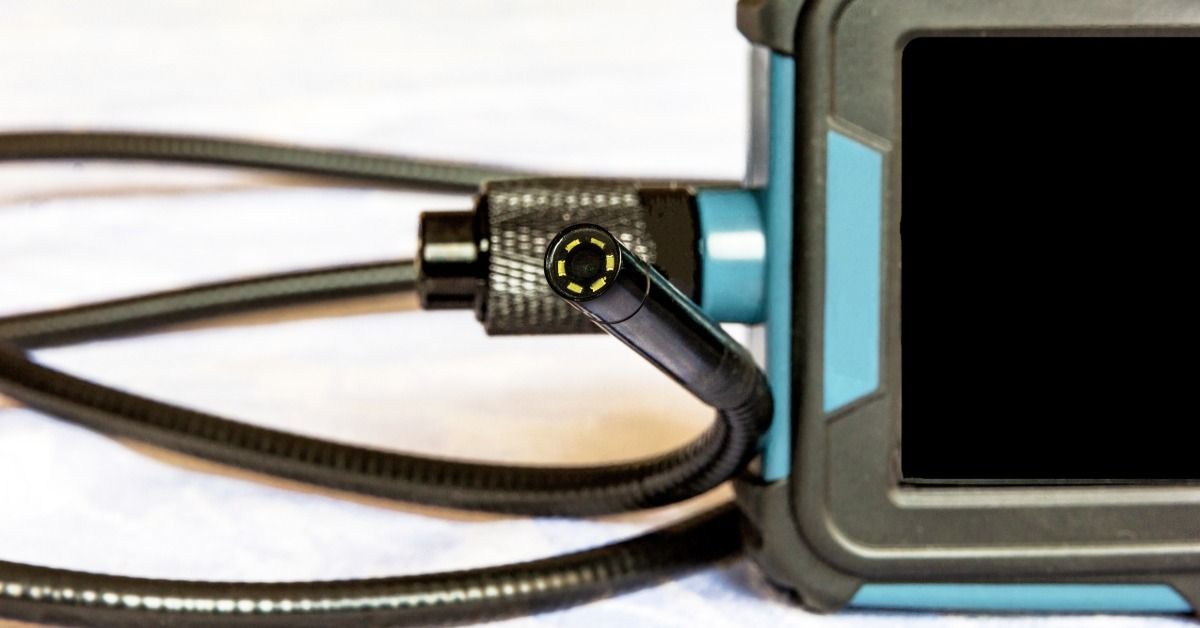
While you can buy the equipment you need online and teach yourself to use it, for many construction projects, this isn’t the best approach. It’s better to rely on the pros for this kind of equipment. Inspectors will have access to industrial-grade equipment that offers self-leveling heads, locating beacons, and high-intensity lighting that general online options simply cannot match.
Furthermore, interpreting the grainy image on a screen requires a trained eye. A professional can distinguish between a harmless shadow and a hairline fracture in a pipe. When you hire a professional, you are paying for their expertise in diagnosis as much as you are for their equipment. They know what normal looks like, and more importantly, they know what trouble looks like.
If your company specifically needs access to residential sewer camera inspections in Salem, MA , then the Sewer Pros are here to help. We have top-of-the-line tools and the experience required to let you know if your pipelines are good to go for your current project. Simply reach out to our team to learn more about how we can assist you today.
You might also like
Blog