The Connection Between Hard Water and Drain Clogs
Dealing with a clogged drain is one of life’s little annoyances. You’re washing your hands or taking a shower, and suddenly you’ve got a puddle of slowly draining, murky water. While you might blame hair or grease, there could be a more shocking culprit at play: your water.
That’s right, the water flowing from your taps might be the true source of your persistent drain problems. This is particularly true if you live in an area with hard water. So, how exactly does the water you use every day contribute to frustrating clogs? Let’s explore the connection between hard water and drain clogs.
What Exactly Is Hard Water?
You’ve probably heard the term hard water, but what does it actually mean? Simply put, hard water is water with a high concentration of dissolved minerals, primarily calcium and magnesium. As rainwater travels through the ground, it picks up these minerals from soil and rock. The more minerals it collects, the “harder” the water becomes.
In contrast, soft water has very low concentrations of these minerals. The “softest” water possible is rainwater before it touches the ground. Unless you collect rainwater for personal use, your water is going to have some level of hardness to it. Fortunately, hard water isn’t harmful to your health (in fact, those minerals can be good for you).
The issue lies in the fact that it can become too hard, which is what makes it not so friendly to your home’s plumbing system. If you have this issue, rest assured you’re not alone. Many regions across the country have hard water, making it a widespread problem for homeowners and businesses alike.
How Hard Water Impacts Your Plumbing
The trouble with hard water begins when it flows through your pipes. Over time, the calcium and magnesium minerals separate from the water and stick to the inner surfaces of pipes, drains, and fixtures. This chalky, white buildup is called limescale.
Initially, this buildup is minor and goes unnoticed. But as layers of limescale accumulate, the internal diameter of your pipes shrinks. It’s like a slow-motion traffic jam happening inside your plumbing. This gradual constriction reduces water flow and creates a rough, uneven surface inside the pipes.
This rough surface is perfect for catching other debris that goes down the drain, such as hair, food particles, and grease, which can accelerate the formation of a stubborn clog. What starts as a small mineral deposit can quickly escalate into a complete blockage, leaving you with a drain that refuses to cooperate.
The Sneaky Role of Soap Scum

If limescale is the main villain, soap scum is its trusty sidekick. You’ve likely seen this grayish-white film coating your shower walls, bathtub, or sink. But what is it, and how does it form?
Soap scum is the result of a chemical reaction between the minerals in hard water (calcium and magnesium) and the fatty acids found in soap and shampoo. Instead of creating a rich lather that rinses away cleanly, the soap combines with these minerals to form an insoluble, waxy substance. This residue not only makes your bathroom look grimy but also builds up inside your drains.
This sticky soap scum lines your pipes, contributing to the narrowing effect caused by limescale. It acts like glue, trapping hair, skin cells, and other debris that gets washed down the drain. Over time, this mixture hardens, creating tough blockages that are difficult to remove with standard drain cleaners. Areas like bathroom sinks, showers, and bathtubs are hotspots for soap scum-related clogs because of the constant mix of soap and hard water.
Signs Your Drains Are Affected by Hard Water
Not sure if hard water is the cause of your plumbing headaches? Your house might be sending you some clear signals. Keep an eye out for these common indicators:
- Slow Drainage: If your sinks, showers, or tubs consistently take a long time to drain, it’s a classic sign that your pipes are narrowing due to mineral buildup.
- Frequent Clogs: If slow drains have upgraded to full-on clogs that keep recurring despite your best efforts, hard water is likely the culprit.
- Visible Limescale: Look for chalky, white deposits around your faucets, showerheads, and drain openings. If you can see it on the outside, it’s definitely building up on the inside.
- Reduced Water Pressure: Mineral buildup can affect your entire plumbing system, not just the drains. A noticeable drop in water pressure from your faucets or shower could indicate that your pipes are restricted.
- Soap That Won’t Lather: If you struggle to get a good lather from your soap or notice a grimy film left on your skin after washing, you probably have hard water.
Ignoring these signs can lead to more significant problems, even if the reason isn’t hard water. A partially clogged drain puts extra pressure on your pipes, which can eventually lead to leaks or even burst pipes—turning a minor inconvenience into a major repair job.
Preventing and Managing Hard Water Clogs
Now that you understand the connection between hard water and drain clogs, you can do something about it. Luckily, there are a few effective ways to manage and prevent hard water-related plumbing issues.
Prevention is Key
To start, using a simple mesh drain catch is an effective way to stop hair and other debris from combining with hard water deposits and soap scum that cause blockages. While this step is only a band-aid for the issue, it certainly slows down the clogging process, giving you time to better address it.
Installing a water softener is the best long-term solution for dealing with limescale and ensuring your pipes remain clear. By removing calcium and magnesium from your water before it enters your plumbing system, a water softener not only prevents new limescale buildup but can even help dissolve existing deposits over time.
Additionally, regular drain maintenance can make a significant difference. Flushing your drains monthly with a mixture of hot water and vinegar helps dissolve minor mineral deposits, thanks to the acidity of the vinegar, and keeps everything flowing smoothly.
Handling Minor Clogs
If you’re already dealing with slow-draining issues, you can try some DIY solutions. A solution of baking soda followed by vinegar can create a fizzing reaction that helps break down buildup. After letting it sit for an hour, flush the drain with boiling water. Avoid using harsh chemical drain cleaners, as they can damage your pipes and are often ineffective against hardened mineral deposits.
When to Call a Professional
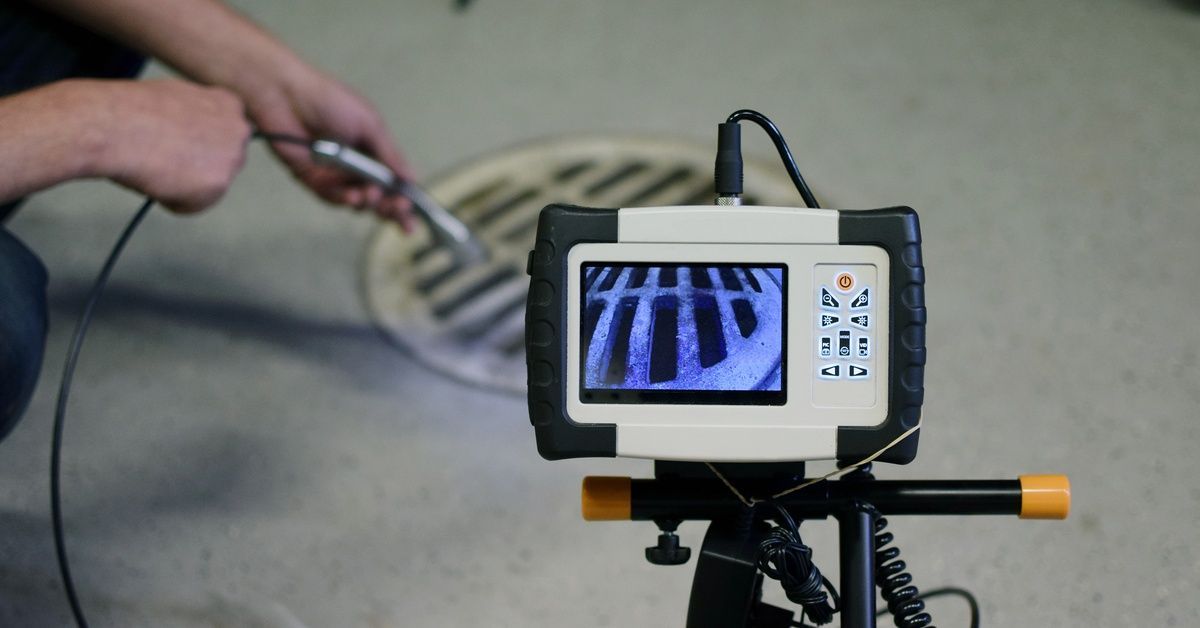
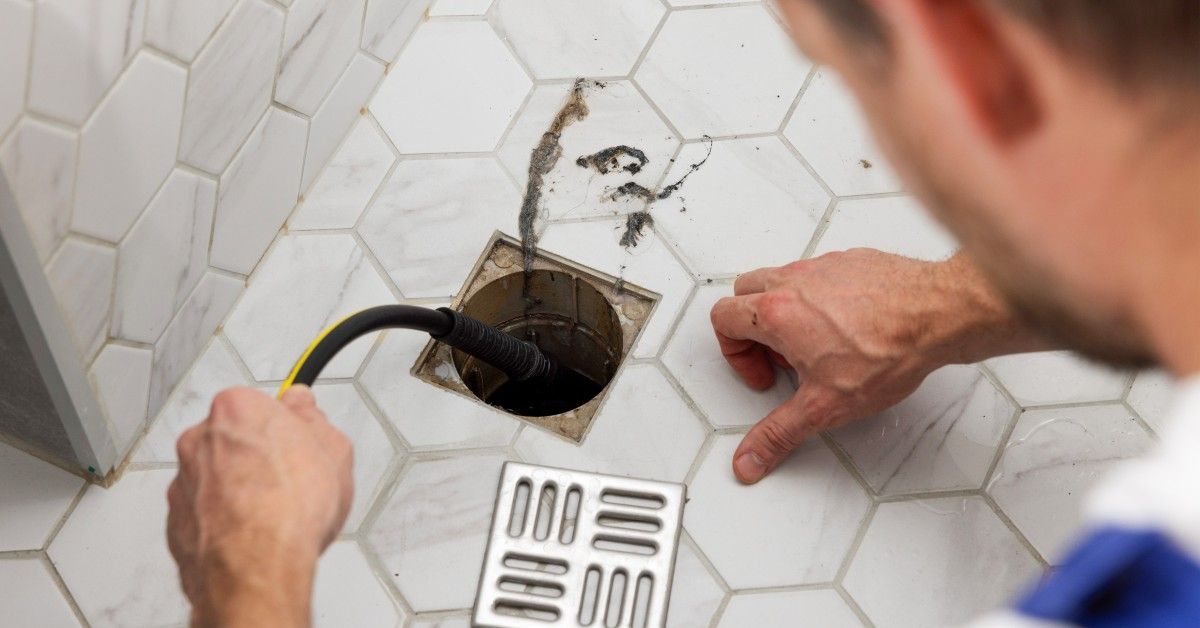
If you’re dealing with recurring clogs, severe blockages, or multiple slow drains throughout your property, it’s time to call in the experts. A professional drain cleaner has specialized tools, like hydro-jetting equipment, that can safely and effectively blast away years of accumulated limescale and soap scum without damaging your pipes.
If you’re looking for a hydro-jetting contractor in Salem, MA , the Serwer Bros are here to help. With our services, we will be able to restore your plumbing to optimal condition in no time. Plus, our experienced team can provide you with tailored advice for your home’s specific needs to ensure this issue doesn’t happen again.
You might also like
Blog