How Grease Trap Maintenance Prevents Restaurant Drain Issues
Running a successful restaurant involves juggling countless tasks, from crafting the perfect menu to managing a bustling staff. Amidst the daily chaos, it’s easy to overlook the less glamorous aspects of kitchen management. One of the most critical, yet often neglected, components is the grease trap.
While it may not be the star of your kitchen, its proper function is essential for preventing a cascade of costly and disruptive plumbing issues. To ensure you don’t neglect yours, this guide will walk you through everything you need to know about grease trap maintenance, explaining how a little proactive care can prevent potential restaurant drain issues.
The Role of Grease Traps in Preventing Drain Issues
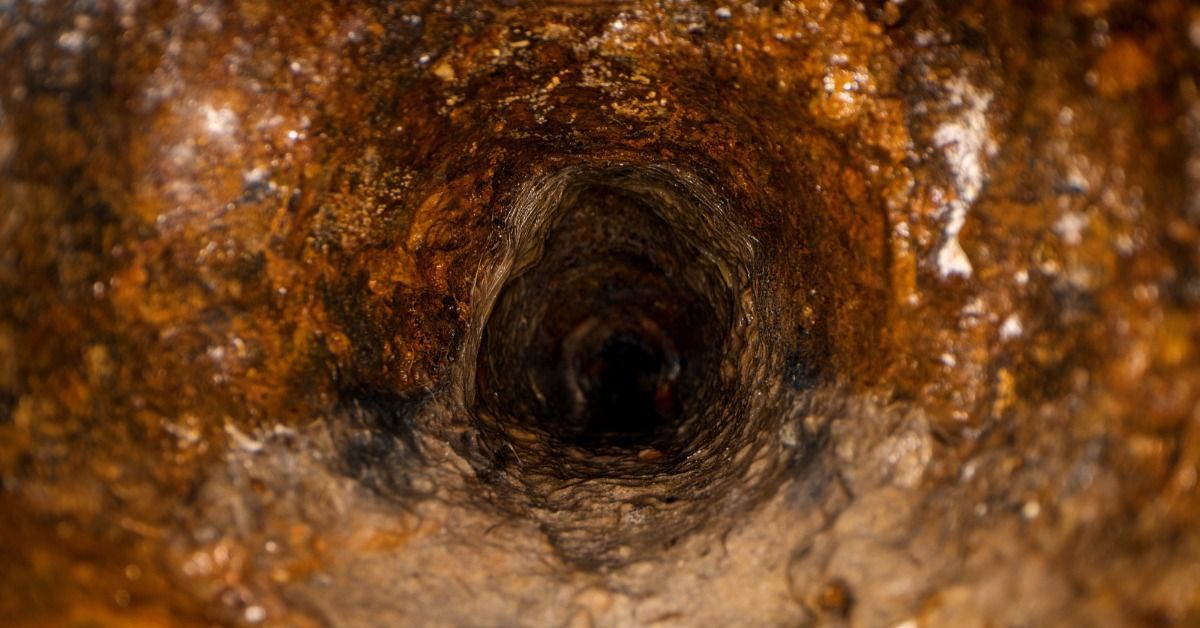
Every commercial kitchen produces a significant amount of fats, oils, and grease, collectively known as FOG. These substances might seem harmless when hot and liquid, but as they cool, they solidify and stick to the inside of your pipes. Over time, this buildup can lead to severe plumbing problems.
Grease traps are plumbing devices designed to capture FOG before it enters the wastewater system. They work by slowing down the flow of warm, greasy water from your kitchen sinks and dishwashers. As the water cools, the lighter-than-water FOG separates and floats to the top, while solids sink to the bottom. The clearer water then continues to flow out into the sewer system.
Without a functioning grease trap, FOG would accumulate in your pipes, causing slow drainage, complete blockages, and sewage backups into your kitchen. These issues not only halt your operations but also create unsanitary conditions. Furthermore, improper grease disposal has a significant environmental impact. When FOG enters public sewer systems, it can cause blockages that lead to sanitary sewer overflows, polluting local waterways and requiring expensive municipal repairs.
Signs Your Grease Trap Needs Maintenance
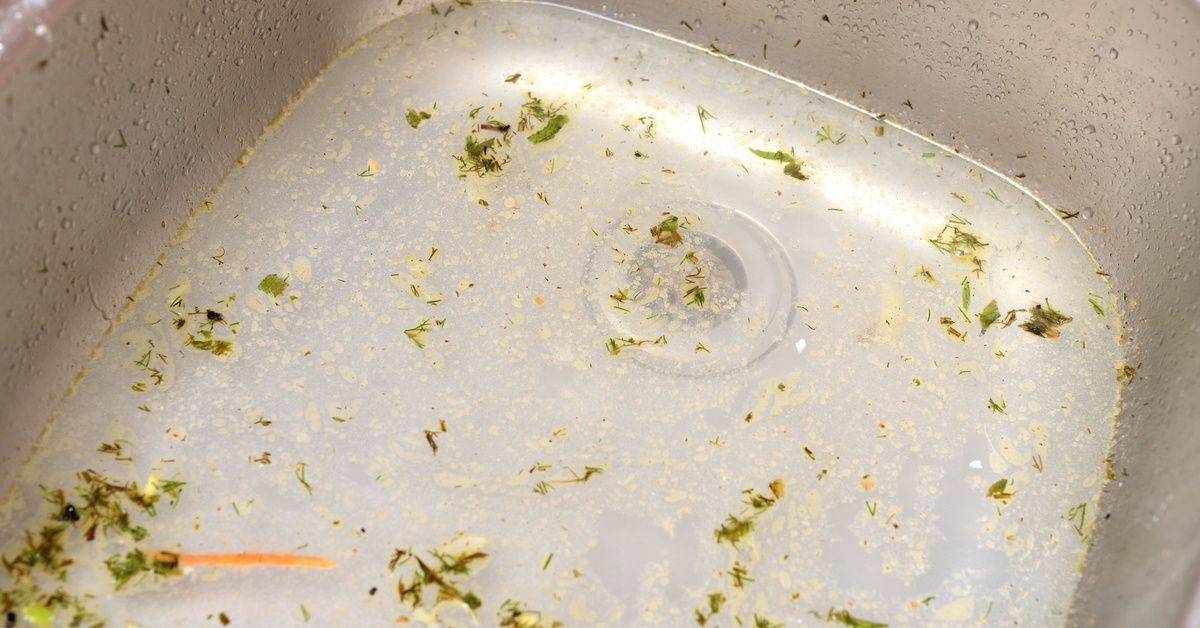
While these devices typically work with little to no issue, if there is a problem, your grease trap will usually give you a few warning signs before anything major occurs. Recognizing these signals early can help you avoid a full-blown plumbing emergency. If you notice any of the following, it’s time to schedule maintenance.
Slow-Draining Sinks
One of the first and most common indicators of a full or clogged grease trap is water draining more slowly than usual from your kitchen sinks. If multiple sinks are backing up, the problem likely lies further down the plumbing line, pointing directly to the grease trap.
Foul Odors in the Kitchen
A properly functioning grease trap should be relatively odor-free. However, as FOG and food solids accumulate and begin to decompose, they release hydrogen sulfide gas, which produces a strong, rotten-egg smell. If a persistent foul odor is wafting through your kitchen, it’s a clear sign that your trap is overdue for a cleaning.
Grease Overflowing from the Trap
In severe cases, you might notice grease seeping out from the grease trap’s lid. This is a definitive sign that the trap is completely full and can no longer hold any more FOG. An overflow is a serious health code violation and requires immediate attention to prevent grease from contaminating your kitchen and entering the main sewer lines. Ignoring these signs won’t make them go away; it will only lead to more severe and expensive problems.
The Benefits of Regular Grease Trap Maintenance
Fortunately, staying on top of grease trap maintenance provides numerous benefits for restaurants that prevent drain issues. To start, regular cleaning prevents costly plumbing repairs and downtime. An emergency plumbing visit to clear a severe clog or repair a backed-up sewer line can cost thousands of dollars, not to mention the lost revenue from having to close your kitchen. Proactive maintenance is a fraction of the cost of reactive repairs.
It also ensures compliance with local health and environmental regulations. Most municipalities have strict rules regarding FOG disposal to protect public sewer systems. Regular, documented maintenance demonstrates your commitment to compliance and helps you avoid hefty fines and penalties.
Furthermore, a clean grease trap improves kitchen hygiene and safety. Foul odors and sewage backups create an unsanitary environment for your staff and can lead to health code violations. A clean system promotes a healthier, safer workplace.
Finally, consistent upkeep extends the lifespan of your grease trap and plumbing system. By preventing corrosive buildup and excessive strain, regular maintenance ensures your equipment functions efficiently for years to come.
How to Maintain Your Grease Trap
While daily best practices are important, thorough grease trap maintenance is a job best left to professionals. That means scheduling professional cleanings regularly. The frequency depends on the size of your trap and the volume of grease your kitchen produces, but most restaurants require cleaning every one to three months. A professional service will pump out all FOG and solids, scrape the walls of the trap, and inspect it for any signs of damage.
Next, monitor FOG levels between professional cleanings. A common rule of thumb is the “one-quarter rule”: once the trap is 25% full of FOG and solids, it’s time to clean it out. Allowing it to fill further reduces its efficiency and increases the risk of a clog.
Some establishments consider using enzyme treatments, which introduce bacteria to help break down grease. However, these are not a substitute for professional pumping and may not be permitted in all jurisdictions. They can sometimes push grease further down the line, causing problems elsewhere. Always check local regulations before using any additives.
Local Regulations and Compliance
Since every municipality has specific regulations governing grease trap installation, maintenance, and disposal, it’s up to you to learn the guidelines of your area. While they might seem strict at times, these rules are in place to protect the public sewer infrastructure and the environment. Failing to comply can result in significant fines, business suspension, or even legal action.
In most jurisdictions, you’ll need to maintain a cleaning log, use a licensed hauler for FOG disposal, and meet specific cleaning frequencies. Contact your local water or health department to get detailed guidelines for your area. Staying compliant not only helps you avoid penalties but also establishes your restaurant as a responsible community partner.
The Cost of Neglecting Grease Trap Maintenance

Ignoring your grease trap might seem like a way to save money in the short term, but the long-term costs of neglect can be devastating. Consider the potential financial consequences:
- Emergency Plumbing Repairs: A severe clog or sewer line backup can easily run into thousands of dollars for emergency service.
- Lost Revenue: Closing your kitchen for even a day due to a plumbing disaster means lost sales, wages for idle staff, and potential food spoilage.
- Fines for Non-Compliance: Municipalities can impose steep penalties for violations of grease-disposal regulations, sometimes totaling thousands of dollars per day.
- Damage to Reputation: A kitchen shutdown or a foul odor can quickly damage your restaurant’s reputation and deter customers.
Investing in a regular maintenance plan is a small price to pay to avoid these significant financial and operational risks. Think of it as insurance for your kitchen’s plumbing and your restaurant’s continued success. If you’re looking for sewer rodding services in Salem, MA, then Sewer Bros are here to help. We specialize in cleaning out clogged drainage systems. We’ll have your pipes working like new in no time.
You might also like
Blog