Tips on Keeping Your Rental Property’s Drains in Great Shape
Blocked drains are one of the most common—and frustrating—issues for landlords and tenants. What starts as a slow drain can quickly escalate into a costly plumbing emergency, leading to unhappy tenants and unexpected repair bills. Proactive drain maintenance is the key to avoiding these headaches. If you want to do everything you can to keep your rental property’s drains in great shape , the suggestions in this guide are sure to help.
Educate Tenants on Proper Drain Usage
Prevention starts with education. Many tenants simply don’t know what can and cannot go down the drain. By providing clear guidance from the beginning, you can prevent a majority of common blockages.
Set Expectations Early

The best time to educate your tenants about drain care is during the move-in inspection. While you’re walking them through the property, take a moment to explain your expectations for the kitchen and bathroom drains. Politely point out that plumbing repairs will be inevitable if they fail to comply, something no one wants to deal with, especially unexpectedly.
Make a clear list of items that they should never put down the drain:
- Grease, fats, and oils: These solidify in pipes and create stubborn blockages.
- Coffee grounds: They don’t dissolve in water and accumulate over time.
- “Flushable” wipes: Despite the name, these wipes do not break down like toilet paper and are a primary cause of sewer backups.
- Food scraps: Especially starchy or fibrous items like pasta, rice, and vegetable peels.
- Hair: A leading cause of clogs in bathroom sinks and showers.
By setting these boundaries upfront, you create a foundation of responsible tenancy and protect your property from preventable damage.
Provide a Drain Care Guide
To reinforce your verbal instructions, give tenants a simple guide they can stick on the fridge or inside a cabinet. This acts as a friendly reminder and shows you’re serious about property maintenance.
Your guide can include helpful tips, such as using drain strainers in sinks and showers to catch hair and food particles. You can even provide these inexpensive strainers as part of a welcome kit. Also, advise them against using harsh chemicals to clean their drains. These products can corrode pipes if used too often, which will eventually cause more severe problems. Instead, suggest to them that they should contact you if they notice a slow-draining pipe.
Quick Fixes for Common Drain Issues
Even with the best preventative measures, minor clogs can still happen. Equipping yourself with a few basic skills can save you an emergency call-out fee and resolve the issue quickly for your tenant.
Unclogging Minor Blockages
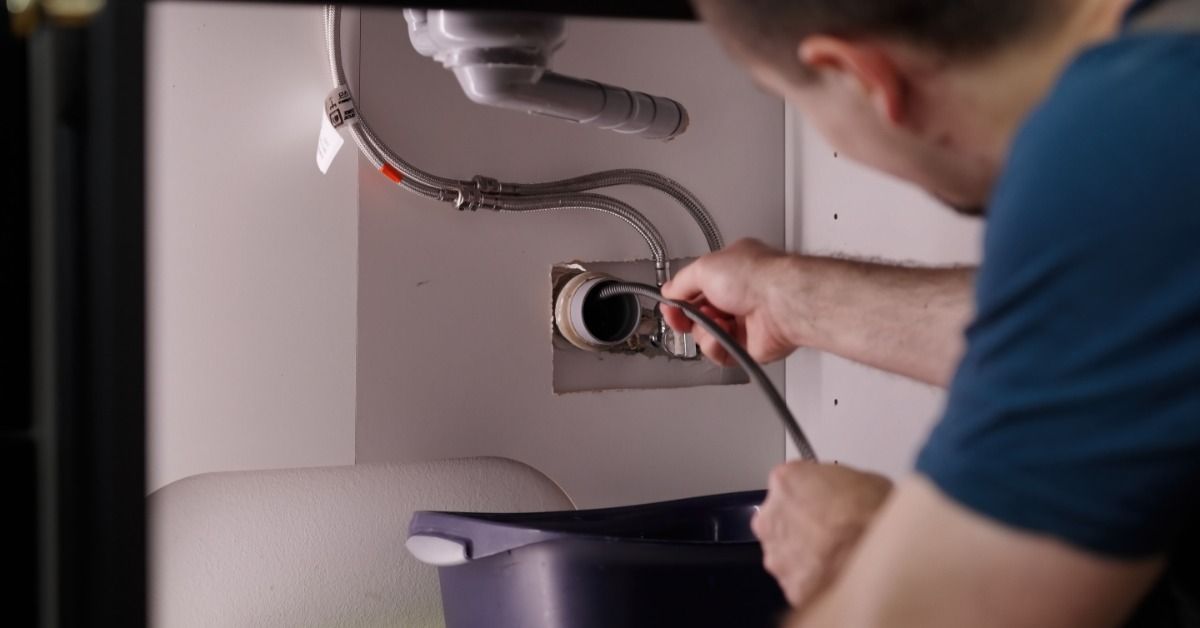
For simple clogs, a plunger is often all you need. Ensure you have a good seal over the drain and use firm, consistent pumps to dislodge the blockage. If that doesn’t work, a drain snake (or auger) is an effective next step. This flexible tool can be fed down the drain to break up or pull out the obstruction.
A natural alternative is the classic baking soda and vinegar combination. Pour about a cup of baking soda down the drain, followed by a cup of vinegar. Let it fizz for about 30 minutes before flushing it with hot water. This method can help break down minor grease and soap scum buildup.
Addressing Slow Drains
A slow drain is a warning sign of a developing clog. Make sure tenants don’t ignore it. Encourage them to report slow drains immediately. If this issue does come up, try flushing all drains with boiling water to dissolve grease and soap residue that builds up on pipe walls. For best results, do this monthly in kitchens and bathrooms to keep water flowing freely.
Regular Maintenance for Landlords
As a landlord, proactive maintenance is the best way to keep your rental’s drains in good condition. A little investment in routine checks can save you thousands of dollars in the long run.
Schedule Routine Inspections
Inspecting the drains between tenancies is a must, but it’s also wise to perform checks periodically, perhaps annually. This allows you to catch potential issues like hidden leaks or early signs of corrosion before they become emergencies.
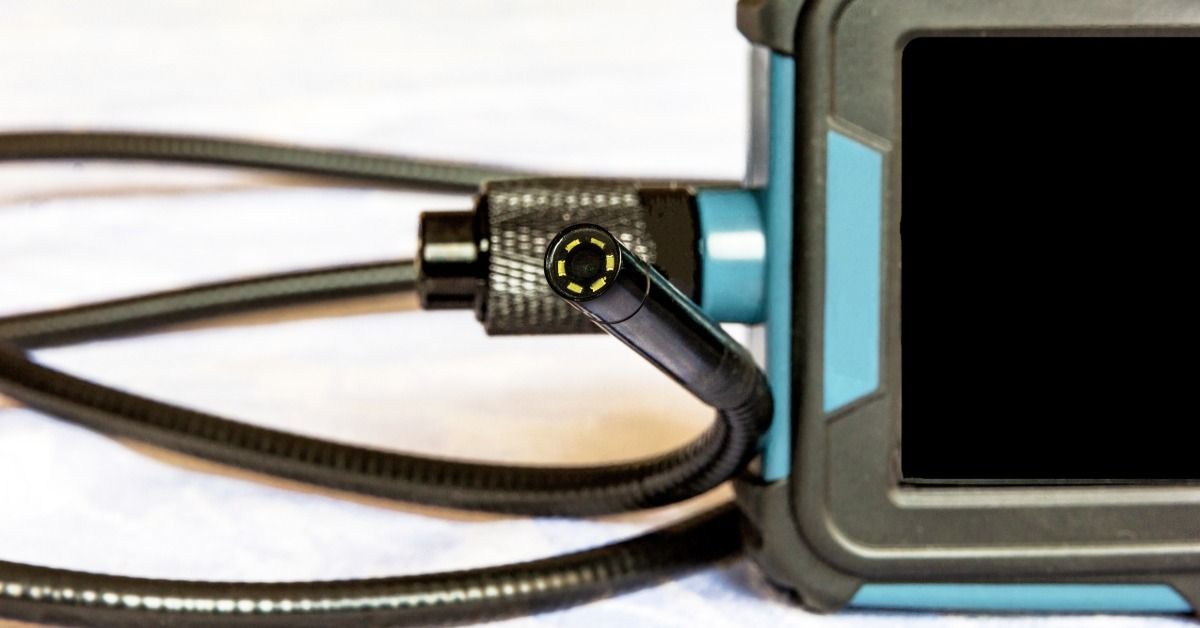
For a more thorough inspection, consider hiring a professional to conduct a drain camera inspection. This involves feeding a small camera through the pipes to get a clear view of their condition. It can identify cracks, tree root intrusion, or significant blockages that aren’t visible from the surface.
Invest in Preventative Measures
Installing simple, inexpensive preventative measures can make a big difference. As previously mentioned, drain covers and strainers are great inclusions for every sink, shower, and tub. For kitchen sinks, especially in multi-unit properties, installing a grease trap can prevent fats and oils from entering the central plumbing system, significantly reducing the risk of major clogs.
Another way to prevent buildup is to use enzyme-based drain cleaners in your pipes. These products contain beneficial bacteria that eat away at organic waste without harming your pipes. Using them on a monthly or quarterly basis can maintain a healthy plumbing system.
Seasonal Drain Care Tips
Drain maintenance isn’t just an indoor job. The changing seasons bring different challenges that require specific attention to keep your entire plumbing system working correctly.
Winter Precautions
In colder climates, frozen pipes are a significant risk. That’s because water expands when it freezes. This can cause pipes to crack and eventually burst. To prevent this, ensure that any pipes in basements, crawl spaces, or other unheated places are adequately insulated. During extreme cold snaps, advise tenants to let faucets drip slowly. The constant movement of water can prevent it from freezing inside the pipes.
Spring Cleaning for Drains
After winter thaws, it’s time for some spring cleaning. Clear gutters and outdoor drains of leaves, dirt, and other debris that accumulated over the colder months. Clogged gutters can cause water to overflow and seep into the foundation, leading to serious structural damage. It’s also a good time to check for tree root intrusion in the main sewer line, a common issue in older properties with large trees.
When to Call a Professional
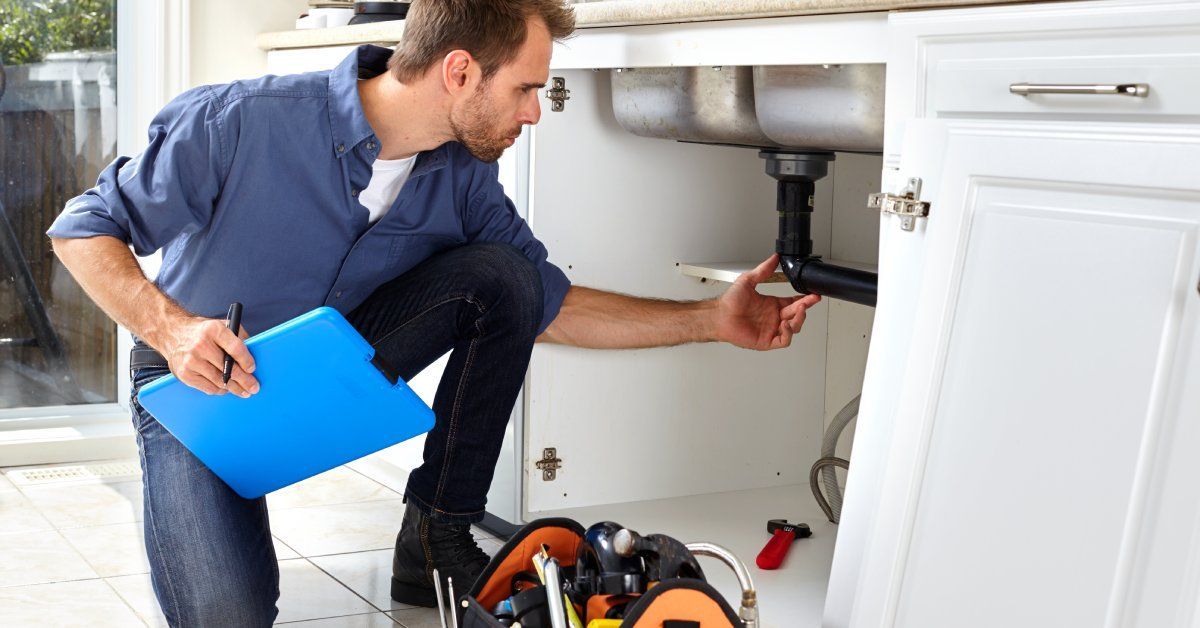
While DIY fixes and maintenance routines are great for minor issues, it’s crucial to know when a problem is beyond your scope. Attempting to fix a major issue without the right expertise can often make it worse.
Recognizing Serious Problems
Certain signs indicate a problem that requires professional attention. Be on the lookout for:
- Recurring clogs in the same drain
- Multiple drains backing up at once
- Foul odors coming from drains that don’t go away
- Gurgling sounds from drains or toilets
- Water backing up into a sink, shower, or tub
These are often symptoms of a blockage deep within the main sewer line, which requires specialized equipment to fix.
Benefits of Professional Help
Calling a licensed plumber might seem expensive, but it can save you time and money in the long term. Professionals have the tools and expertise to diagnose problems accurately and fix them efficiently. In severe cases where there’s pipe damage, they can easily employ modern solutions like pipe relining, which creates a new pipe within the old one without the need for extensive, costly excavation.
However, if your issue is less severe, you can save some money by hiring a company specializing in line-draining services. They use processes like hydro-jetting, which uses high-pressure water to clear out entire pipes, resolve stubborn blockages, and clean the system more thoroughly than a drain snake. If you require residential drain line services in Salem, MA , then the Sewer Bros are here to help. Reach out to learn what we can do for your drainage issues.
You might also like
Blog